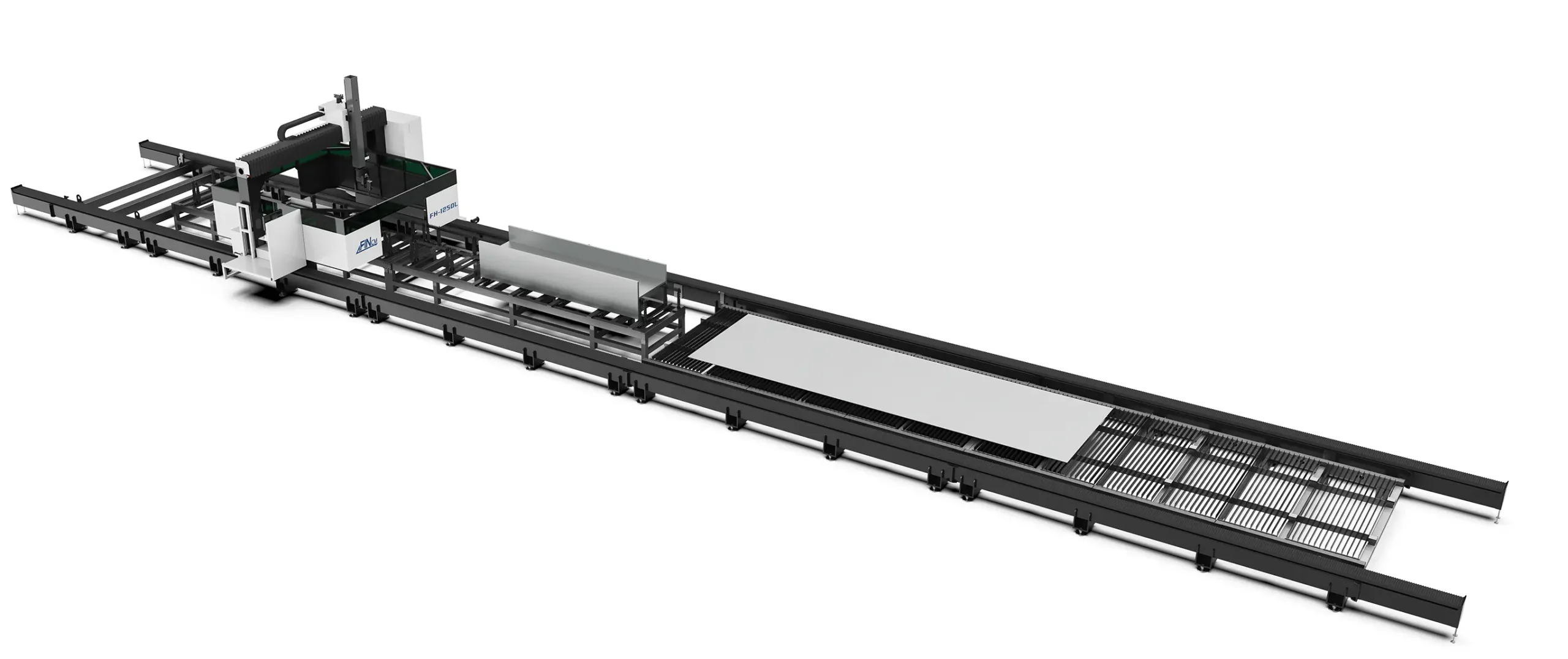

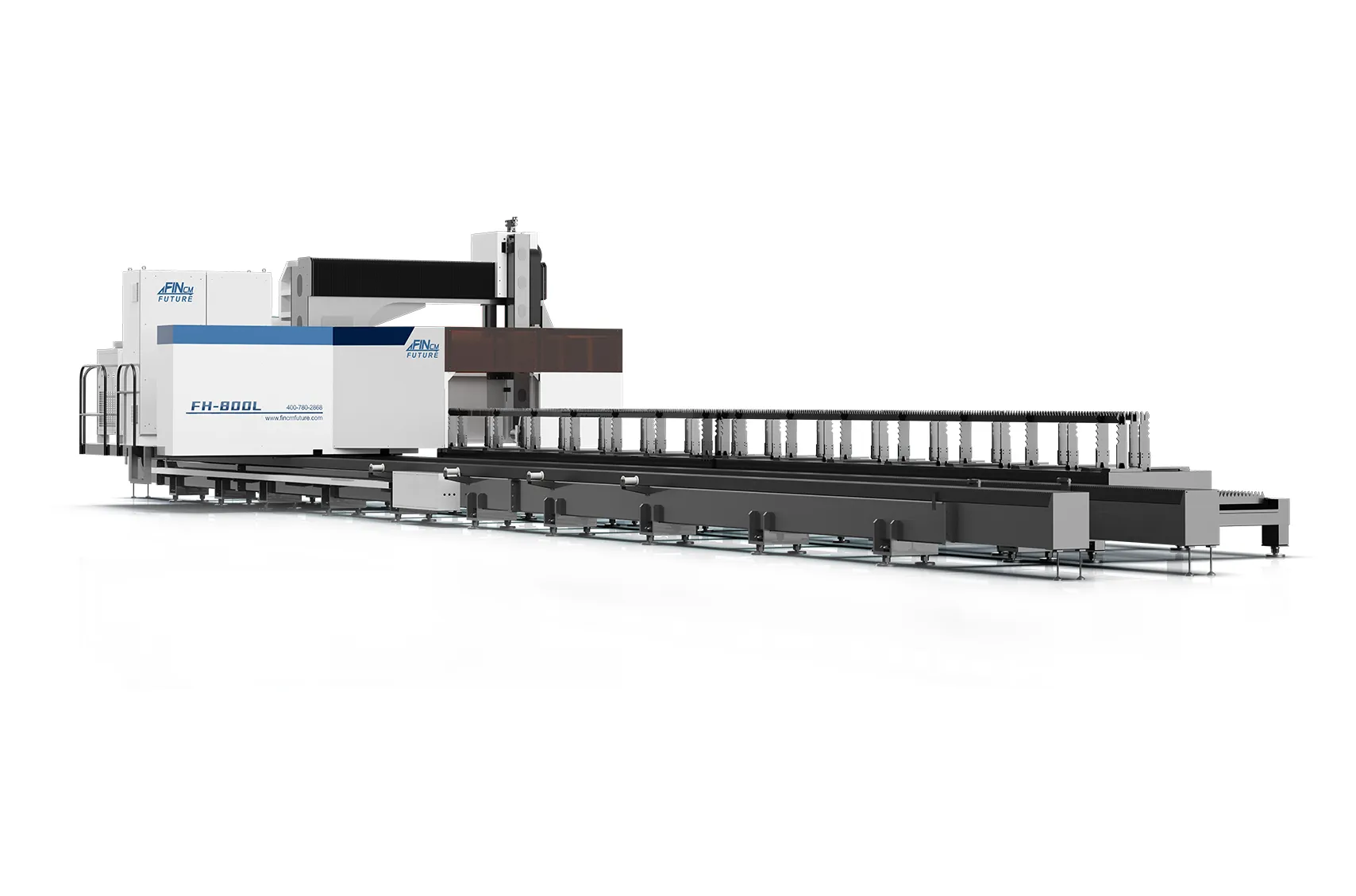

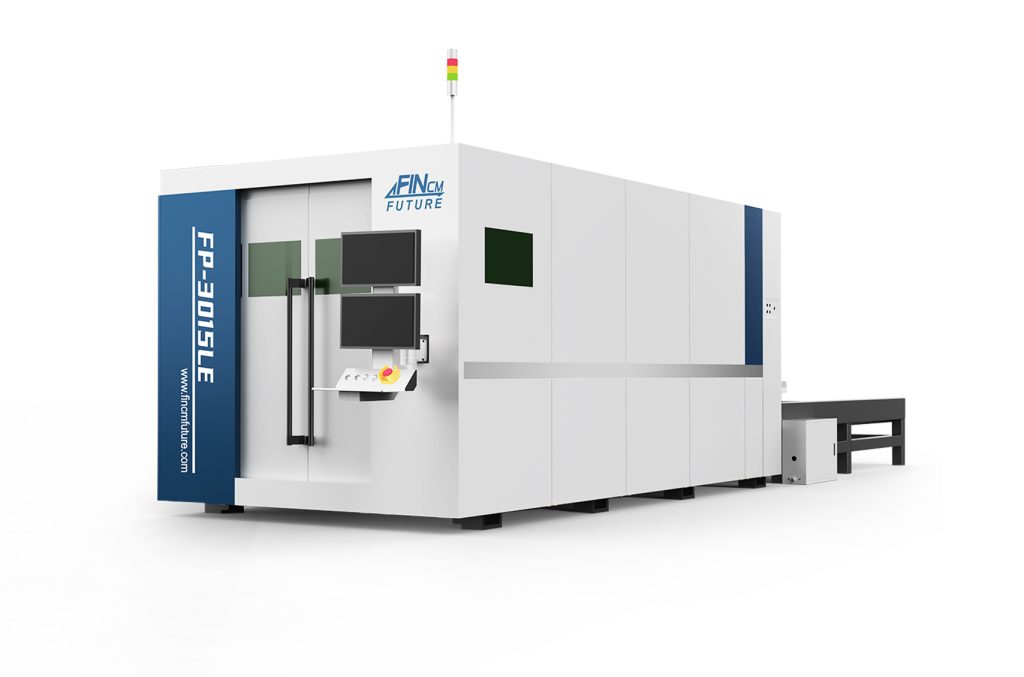


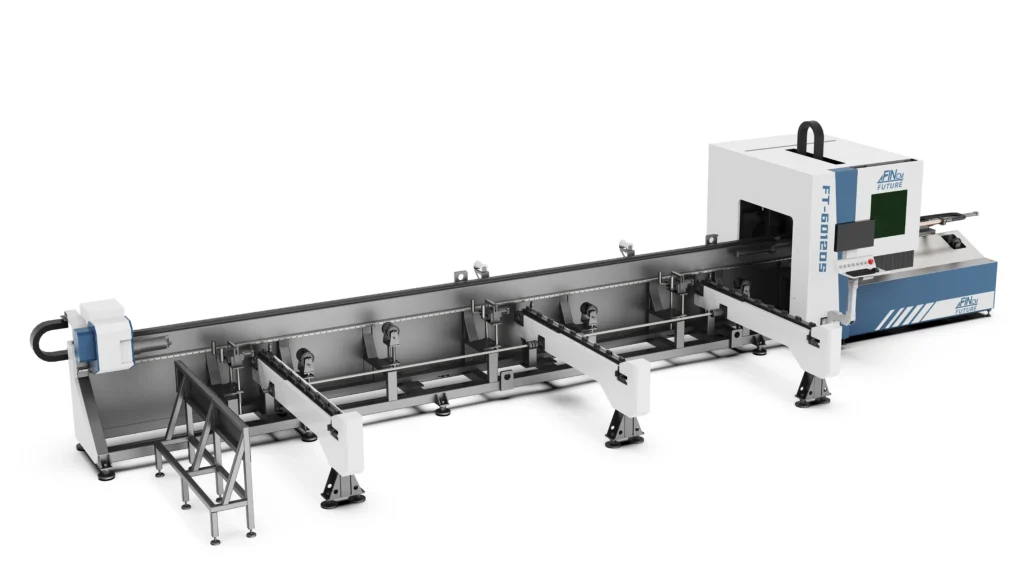




Fibre lazer cutter machines are widely used in sheet metal fabrication for its precision and efficiency. Among different laser technologies, the آلة القطع بالليزر الليفي has become the preferred solution for cutting metal materials.
However, many users wonder whether a fiber laser machine can also cut non-metal materials.
Why Fiber Laser Cutting Machines Are Ideal for Metal
Fiber lasers operate at a wavelength of about 1064 nm, which is highly absorbed by most metals. This allows the laser beam to quickly melt and cut materials such as stainless steel, carbon steel, aluminum, copper, and brass with high precision and speed.
Because of this strong absorption by metals, fiber laser machines are widely used in metal fabrication and industrial manufacturing.
Why Fiber Lasers Are Not Suitable for Most Non-Metal Materials
The wavelength of fiber lasers is generally not within the optimal absorption range of most non-metal materials. As a result, these materials cannot effectively absorb the laser energy, making it difficult to achieve clean and stable cutting results.
In many cases, non-metal materials may burn, melt unevenly, or produce poor edge quality during cutting.
Which Laser Machine Is Better for Non-Metal Cutting
For non-metal materials, manufacturers typically use a CO₂ ماكينة القطع بالليزر. CO₂ lasers operate at a longer wavelength that is better absorbed by materials such as acrylic, wood, leather, plastics, and rubber.
This allows CO₂ laser machines to produce cleaner and more consistent cutting results for non-metal applications.
Is There a Machine That Can Cut Both Metal and Non-Metal?
Some manufacturers have developed hybrid laser systems that combine fiber and CO₂ technologies in one machine. However, these systems are relatively rare and expensive.
In most factories, the more practical solution is to use two specialized machines, each optimized for a specific type of material.
For example:
-
Fiber laser cutting machine → metal processing
-
CO₂ laser cutting machine → non-metal processing
This approach ensures better cutting quality, higher productivity, and lower operational risks.
Choosing the Right Laser Cutting Machine
When selecting a laser cutting machine, companies should consider several important factors:
Material Type
Determine whether the primary materials are metal or non-metal.
Production Volume
High-volume metal fabrication typically benefits the most from fiber laser systems.
Cutting Thickness
Different laser power levels are required depending on material thickness.
Operating Costs
Fiber lasers generally have lower long-term operating and maintenance costs.
For manufacturers focusing on sheet metal fabrication, a fiber laser cutting machine remains the most efficient and reliable choice.
Fiber laser cutting machines have become one of the most important technologies in modern metal fabrication. Their high speed, precision, and efficiency make them ideal for cutting a wide range of metal materials.
However, due to their laser wavelength characteristics, fiber lasers are generally not suitable for cutting most non-metal materials. For applications involving acrylic, wood, leather, or plastics, CO₂ laser cutting machines remain the better choice.
Understanding the differences between these technologies helps manufacturers select the right equipment and achieve optimal cutting performance.