







Buying a Fiber Laser Cutter for the First Time?

Purchasing a fiber laser cutting machine is a significant investment for any fabrication business. Whether you are replacing plasma cutting, outsourcing less work, or expanding production capacity, the machine you choose will affect productivity, operating costs, and profitability for years.
Many first-time buyers begin by comparing prices or laser power ratings. While these specifications are important, they rarely tell the whole story.
In our experience working with metal fabricators, steel structure manufacturers, machinery builders, and contract cutting companies, the most successful buyers focus on a different question:
Which machine best matches my production requirements?
Before requesting quotations, it is worth understanding the key factors that determine whether a laser cutting machine will become a profitable asset or an expensive mistake.
Understand Your Production Before Looking at Machine Specifications
A laser cutting machine should be selected based on the work you perform every day, not the occasional job that appears once or twice a year.
Start by answering the following questions:
- What materials do you cut most often?
- What thickness range represents 80% of your production?
- How many hours will the machine run each day?
- Do you prioritize speed, cut quality, or flexibility?
- Will future business require thicker material processing?
Why Machine Structure Matters More Than Many Buyers Realize
A laser source generates the beam, but the machine structure determines how accurately that beam is delivered to the material.
Two machines equipped with the same laser source can produce very different results.
Key structural components include:
Machine Bed

The bed serves as the foundation of the entire machine.
A high-quality machine bed should:
- Be manufactured using heavy-duty steel construction
- Undergo stress-relief treatment
- Maintain stability during long production cycles
- Resist deformation over time
Gantry Structure
The gantry affects acceleration, positioning accuracy, and cutting consistency.
Poor gantry design may result in:
- Reduced precision
- Increased vibration
- Lower long-term reliability
Drive System

Precision rack-and-pinion systems, high-quality linear guides, and reliable servo motors all contribute to smoother motion and better cutting performance.
When comparing suppliers, do not focus only on laser brands. Ask how the machine itself is built.
The CNC System Can Have a Bigger Impact Than Expected
Modern fiber laser cutting is not only about hardware.
Software and control systems play a critical role in production efficiency.
Advanced CNC systems can improve:
- Nesting efficiency
- Material utilization
- Piercing quality
- Corner accuracy
- Production speed
- Automation capabilities
Over the lifespan of a machine, improvements in nesting and material utilization can save significantly more money than the initial difference between two quotations.
Calculate the Real Cost of Ownership
The purchase price is only the beginning.
A realistic investment evaluation should include operating costs over the next three to five years.
Major cost factors include:
Assist Gas Consumption
Different materials require different gases.
Oxygen
Suitable for carbon steel and offers lower operating costs.
Nitrogen
Provides bright, oxidation-free edges for stainless steel and aluminum but typically increases running expenses.
Compressed Air
Can reduce gas costs but requires a reliable air treatment system to ensure consistent cutting quality.
Consumables
Regular replacement items include:
- Protective lenses
- Nozzles
- Ceramic rings
These costs vary depending on production volume and maintenance practices.
Utility Costs
Consider:
- Electricity consumption
- Chiller operation
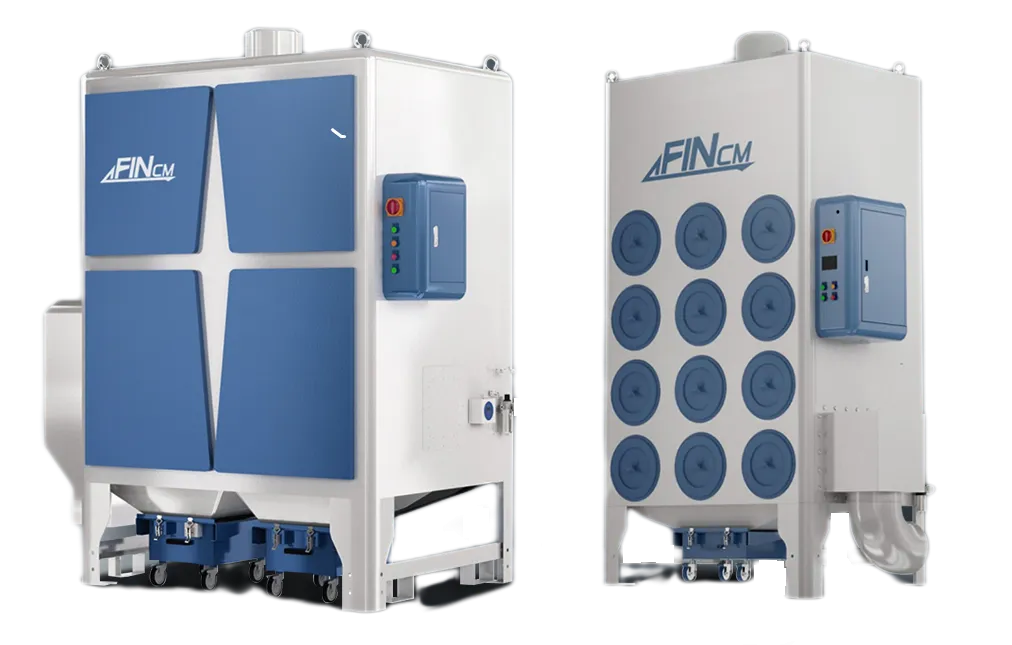
- Dust extraction systems
- Air compressors
Understanding these expenses helps buyers make more informed purchasing decisions.
Final Thoughts
The best fiber laser cutting machine is not always the cheapest option, nor is it necessarily the machine with the highest power rating.
Successful buyers focus on matching machine capabilities with actual production requirements.
Before making a decision, evaluate:
- Material types
- Thickness range
- Production volume
- Accuracy requirements
- Operating costs
- Supplier support
A well-matched laser cutting machine can improve productivity, reduce manufacturing costs, and support business growth for many years.
Frequently Asked Questions
What laser power do I need for stainless steel cutting?
For most stainless steel applications between 1mm and 10mm, 3kW to 6kW machines are sufficient. Thicker materials typically require higher power levels.
Is a higher-power laser always better?
No. Higher-power machines increase investment and operating costs. The ideal choice depends on your production requirements.
How long does a fiber laser cutting machine last?
With proper maintenance, a quality fiber laser cutting machine can operate reliably for many years in industrial production environments.
What is the most important factor when choosing a laser cutting machine?
The most important factor is whether the machine matches your actual production needs, including materials, thicknesses, quality requirements, and production volume.
Looking for the Right Laser Cutting Solution?
At FINCM, we specialize in heavy-duty laser cutting solutions for steel structures, metal fabrication, shipbuilding, tower manufacturing, and industrial processing applications.
Contact our engineering team to discuss your materials, production requirements, and future expansion plans. We can help you identify the most suitable laser cutting solution for your business.