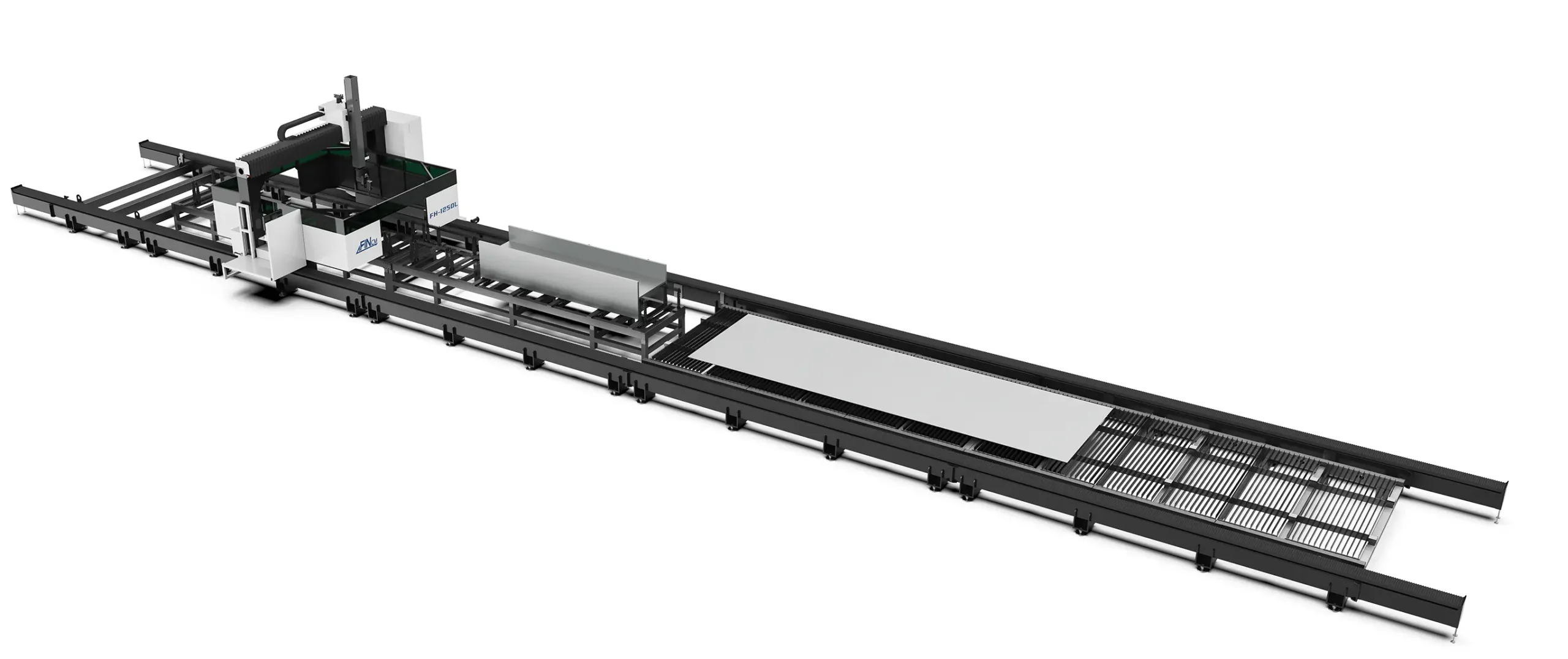

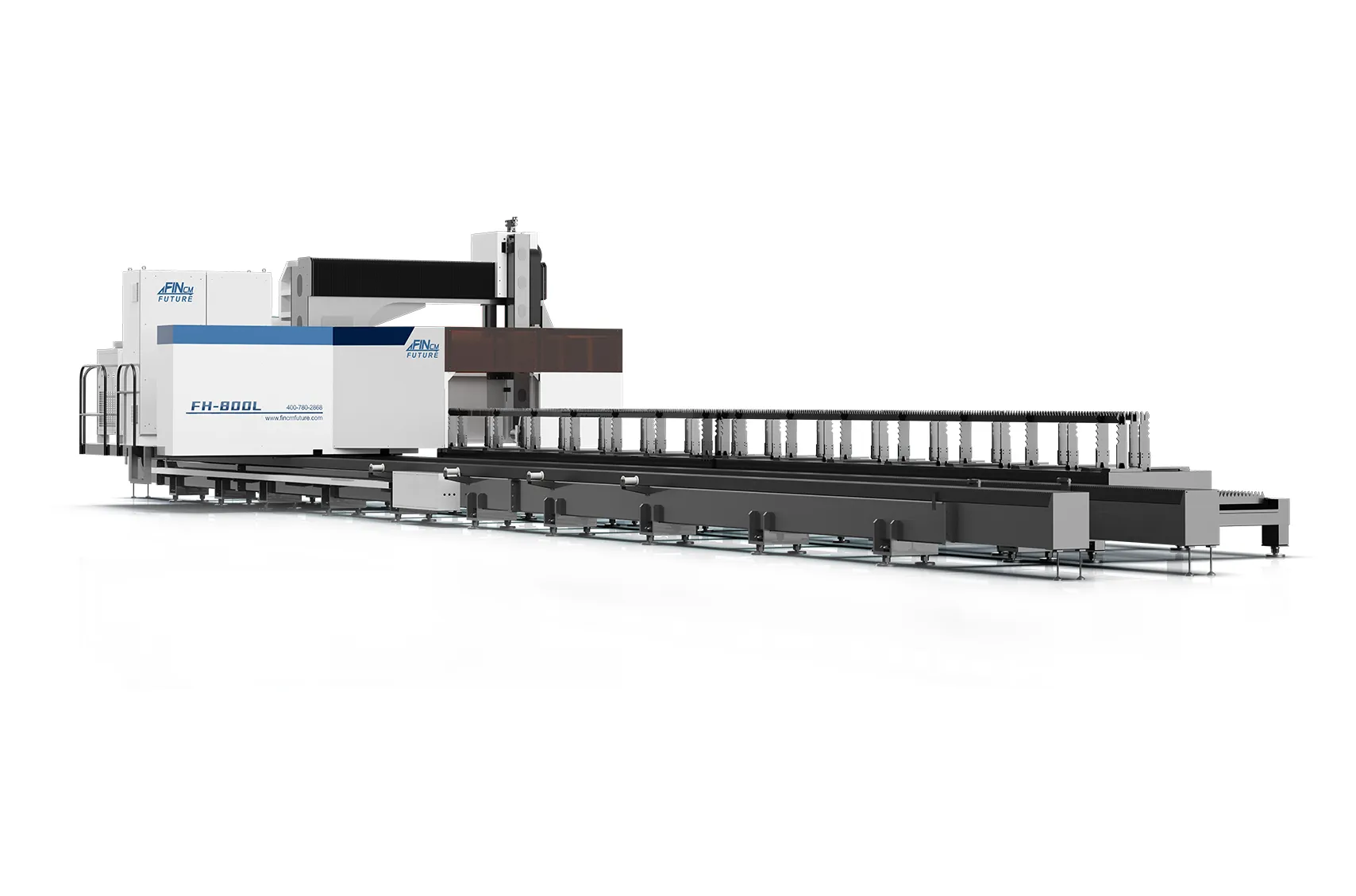

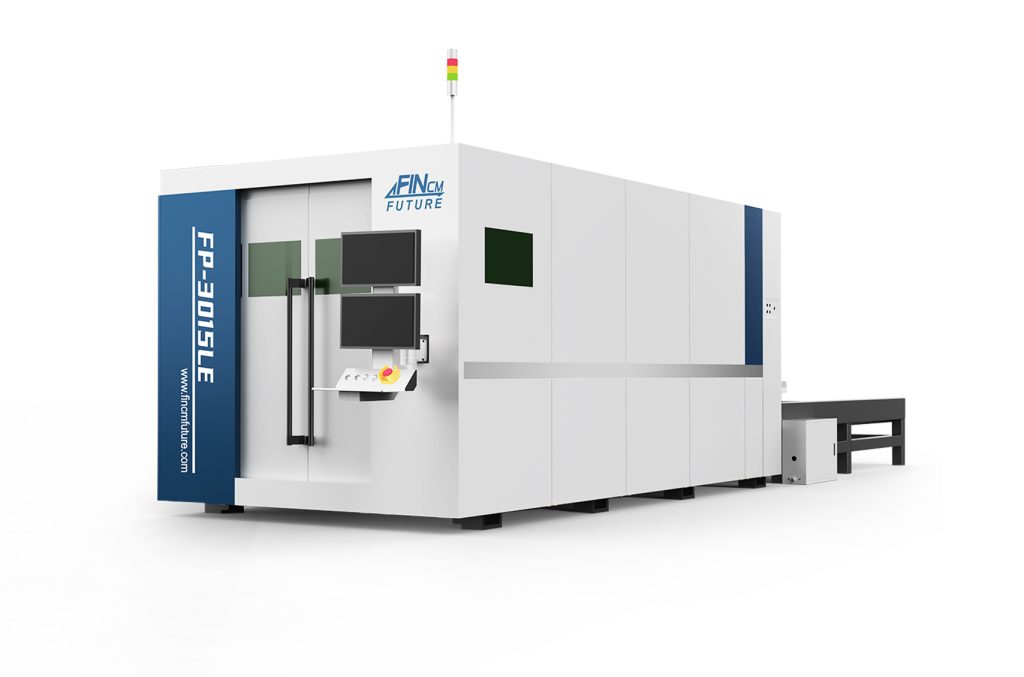


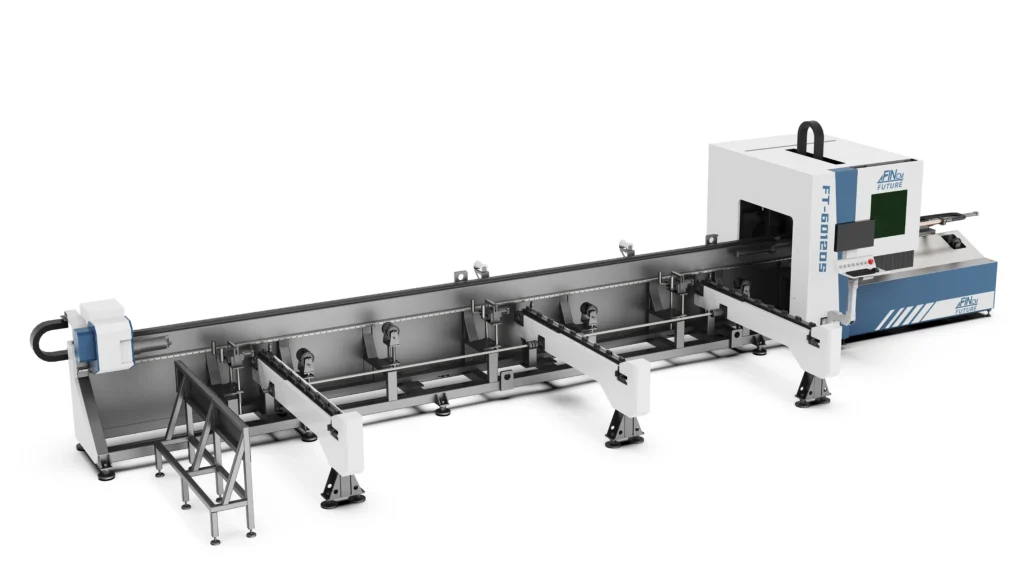




When manufacturers start searching for a high power laser cutting machine price is often the first concern—but also the most confusing one. Online quotations can vary dramatically for machines that appear similar on the surface. Understanding what truly affects the cost of a high power laser cutter is essential for making a rational investment decision, especially for factories cutting thick metal plates, structural steel, or large-format components.
Rather than focusing on a single number, buyers should evaluate pricing from a production and lifecycle perspective. The real cost of a high power fiber wycinarka laserowa is shaped by multiple technical, operational, and strategic factors that directly influence cutting performance, reliability, and long-term operating expenses.
Laser Power Level and Cutting Capability
Laser power is the most visible factor affecting price. A 20kW fiber laser cutting machine is not simply more expensive than a 12kW model because of wattage alone. Higher power systems are designed to handle thicker materials, faster cutting speeds, and more stable processing of carbon steel, stainless steel, and alloy plates.
As laser power increases, requirements for optical components, cooling systems, electrical architecture, and structural rigidity all rise accordingly. Machines designed for consistent thick plate cutting must maintain beam stability under high thermal loads, which significantly impacts manufacturing cost. For buyers processing 30mm–50mm steel plates or running multi-shift production, power selection directly affects both price and productivity.

Core Components and Configuration Level
Not all high power laser cutting machines are built with the same components, even if they share similar specifications on paper. The laser source brand, cutting head type, servo system, control software, and electrical components all influence cost. Higher-end configurations typically offer better beam quality control, faster response speeds, and greater long-term reliability.
In practice, manufacturers such as FINCM focus on component matching rather than isolated specifications, ensuring that laser source, cutting head, and motion system are optimized as a complete system
Automation options such as exchange tables, automatic loading systems, or bevel cutting heads also add to the overall price. While these features increase upfront investment, they often reduce labor costs and improve production efficiency, which is critical for manufacturers targeting higher throughput or labor-intensive markets.
Machine Structure and Build Quality
One of the most overlooked pricing factors is machine structure. High power laser cutting generates significant vibration and thermal stress, especially when cutting thick metal plates at high speeds. A heavy-duty machine bed, reinforced gantry, and stress-relieved frame are essential for maintaining precision over time.
Machines designed specifically for high power applications use thicker steel structures and undergo longer manufacturing and aging processes. These structural investments are reflected in the price but play a crucial role in cutting accuracy, machine lifespan, and reduced maintenance requirements. For industrial users, build quality often determines whether a machine remains productive after several years of continuous operation.

Table Size and Processing Range
Working area is another key contributor to cost. Large-format laser cutting machines designed for oversized plates or structural components require stronger motion systems and higher positional accuracy over longer travel distances. Expanding the cutting area increases material cost, engineering complexity, and assembly time.
For manufacturers in industries such as steel fabrication, shipbuilding, or heavy equipment production, selecting the correct table size is more important than simply choosing the lowest-priced option. An undersized machine may limit production capability, while an oversized one may increase costs without adding real value.
After-Sales Support and Long-Term Operating Cost
The true cost of a high power laser cutting machine extends well beyond the purchase price. Installation quality, training, technical support, spare parts availability, and response time all affect long-term operating efficiency. Machines with lower upfront prices but weak after-sales support often result in higher downtime costs and production losses.
For overseas buyers, working with manufacturers like FINCM that provide structured installation guidance and remote technical support can significantly reduce operational risk.
Experienced manufacturers invest heavily in service networks, documentation, and remote diagnostics. While these factors may increase initial pricing, they significantly reduce risk for overseas buyers, particularly in regions where technical support accessibility is critical.

Choosing the Right Price for Your Production Needs
There is no single “correct” price for a high power lazer cutter machine. The right investment depends on cutting thickness requirements, production volume, automation level, and long-term growth plans. Buyers should evaluate price in relation to cutting capacity, machine stability, and total cost of ownership rather than focusing solely on initial quotations.
For manufacturers planning to upgrade thick metal cutting capabilities, understanding what drives pricing differences is the first step toward selecting a machine that delivers consistent performance and sustainable returns.