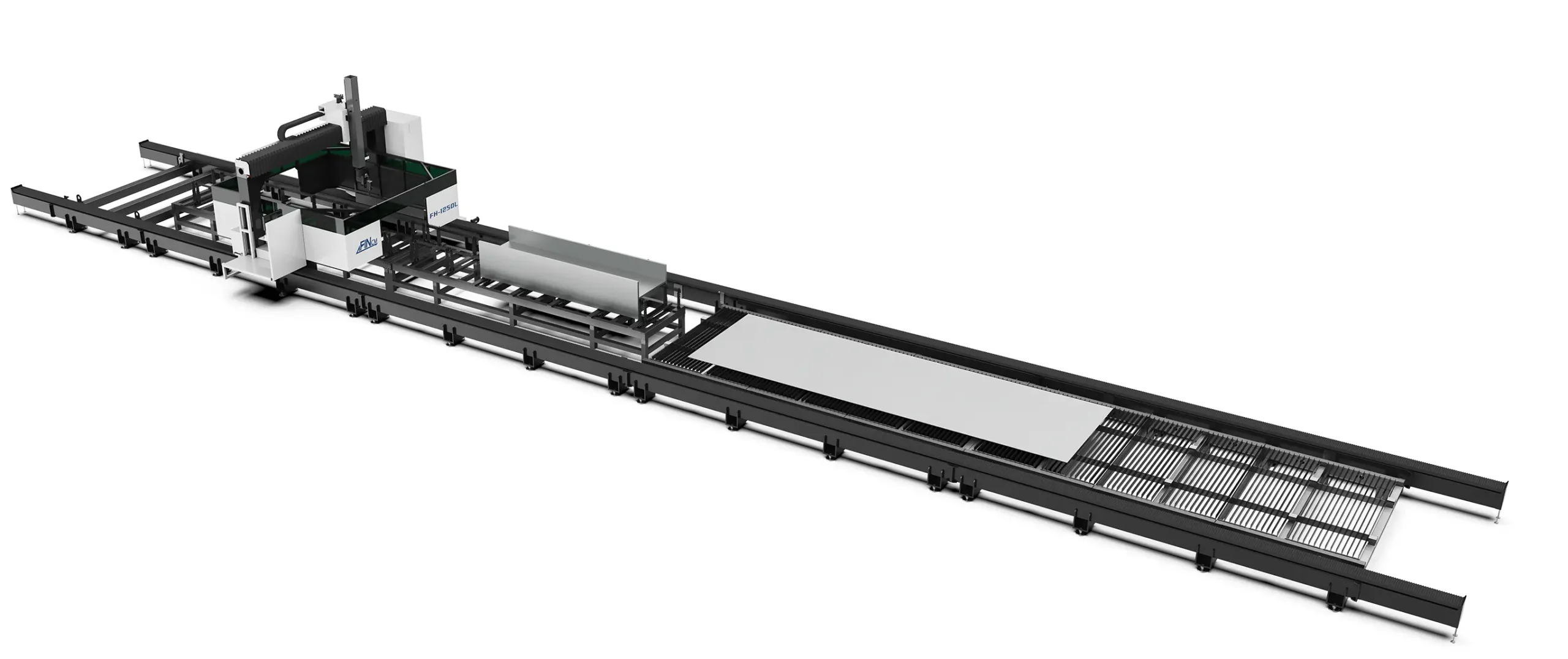

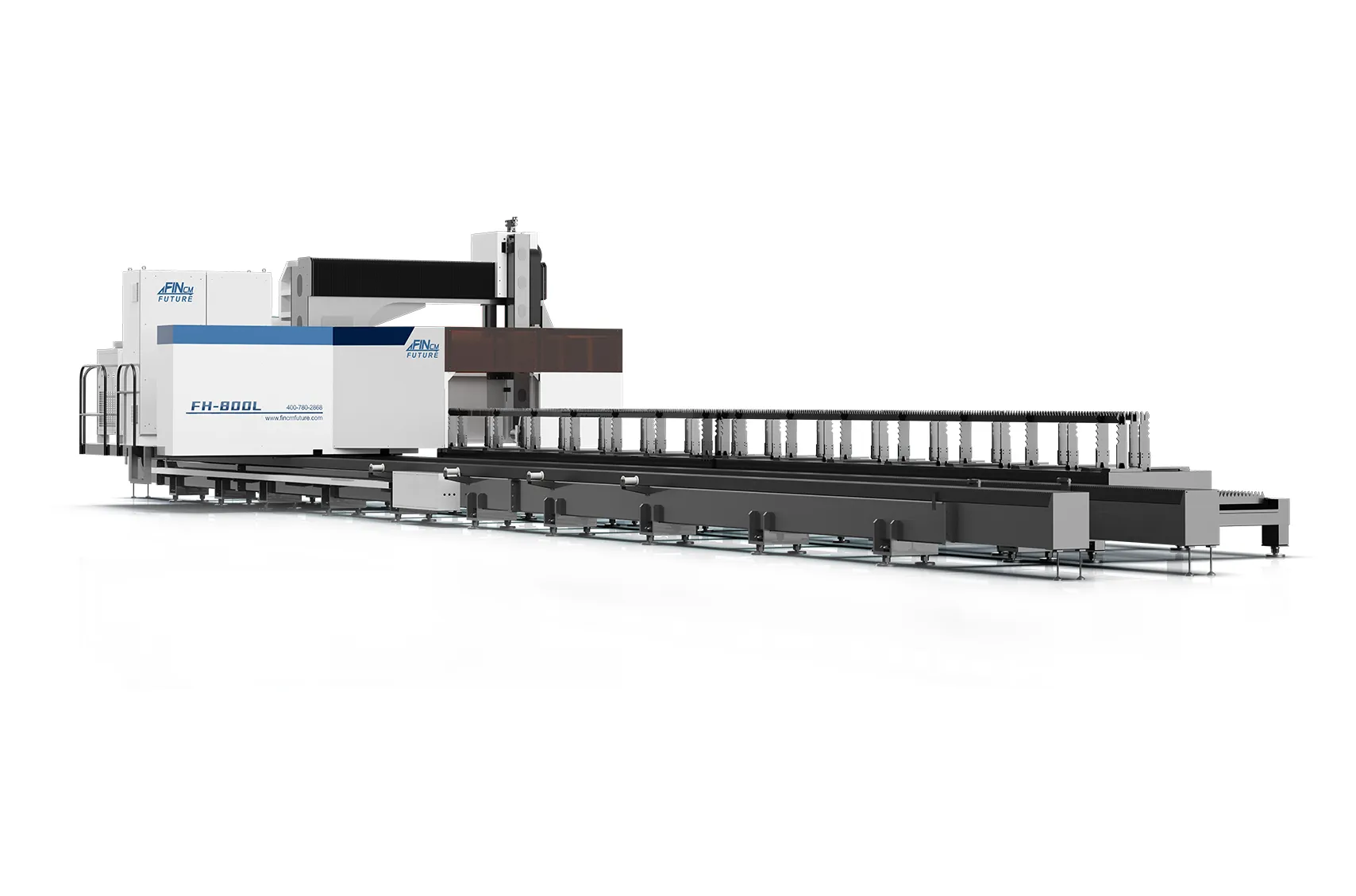

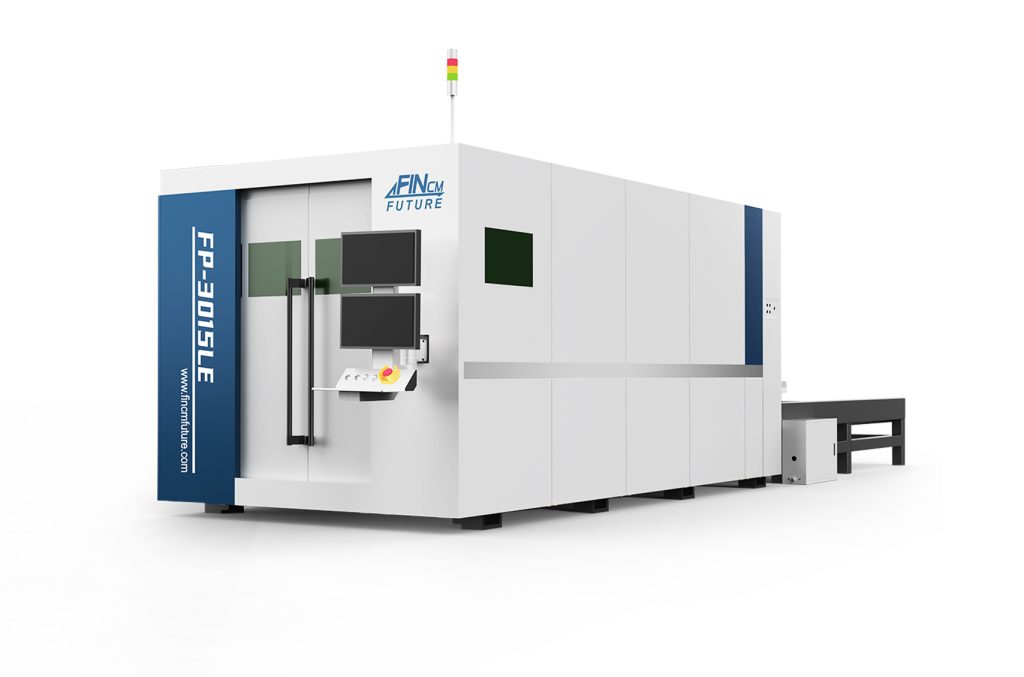


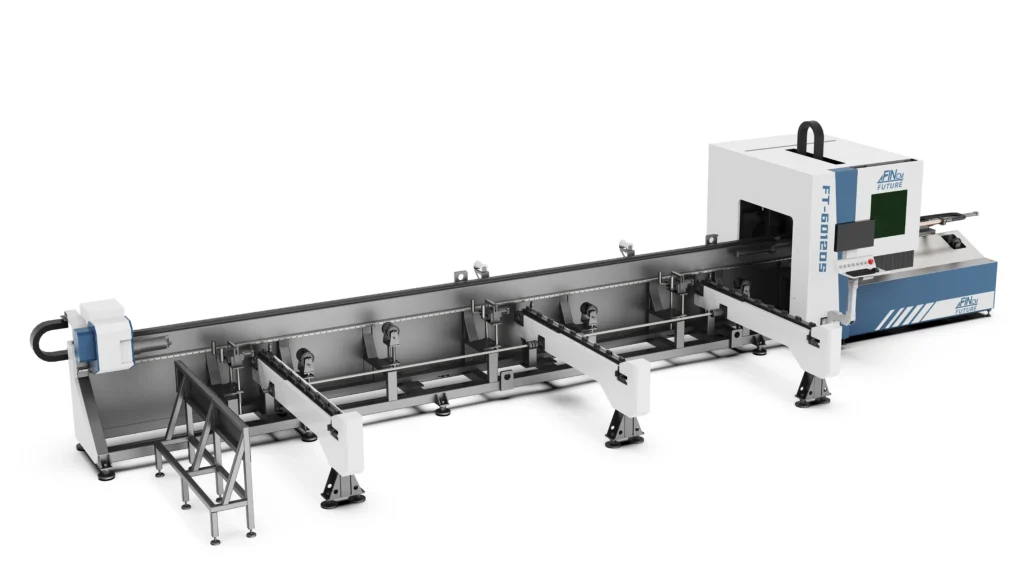




Installing a fiber laser cutting machine properly is critical to ensuring its long-term performance and safety. Below are the essential factors to consider during installation:
1. Choose the Right Installation Site
According to the size of the laser cutting machine and the space required for operation and maintenance to determine the site area. Ensure that there is enough space for the installation, operation and subsequent maintenance of the equipment, to avoid overcrowding of the equipment placed to affect the normal use. The site needs to be level to ensure that the laser cutting machine can be placed smoothly. Good ventilation is necessary. Laser cutting process may produce some smoke, dust and heat, ventilation can be discharged in a timely manner, to maintain a clean working environment, but also conducive to the heat dissipation of the equipment, to prevent equipment failure due to overheating.

2.Set Up a Stable Power Supply
Fiber laser cutter machine usually has certain requirements on the voltage, the need for a stable voltage supply. Can be equipped with a voltage regulator to ensure that the voltage fluctuations in the range of equipment requirements, such as equipment requirements for the voltage of 380V ± 10%, we must ensure that the actual voltage is stable within this range. Good grounding is an important measure to ensure the safety and normal operation of the equipment. Grounding resistance should be in line with the standards set by the equipment, the general requirements of the grounding resistance is less than 4 Ω. Correct grounding can prevent equipment leakage of electric shock accidents, but also to reduce electromagnetic interference on the equipment and other electrical equipment.
3. Ensure Horizontal Equipment Placement
Lazer Machine should be installed to ensure that the level of placement as far as possible. If the equipment is found to be not horizontal, make it horizontal by adjusting the supporting feet at the bottom of the equipment. For example, set the support feet at the four corners or the ends of the long sides of the equipment, and raise or lower the corresponding position by rotating the adjusting nuts of the support feet until the level meter shows that the equipment is in a horizontal state.
4. Install the Optical Path System Carefully
When installing the light path system, make sure that the surrounding environment is clean to prevent dust, oil and other pollutants from entering the light path.
5. Connect the Cooling System Properly
The connection of cooling pipes should be firm and well sealed to prevent the coolant from leaking. For example, the use of sealing rubber rings and pipe hoops for connection, pressure test after connection to ensure that there is no leakage point. To add coolant according to the type and capacity specified by the equipment. Different laser cutting machines may have different requirements for the coolant, such as some equipment requires the use of specialized antifreeze, pay attention to the coolant level should be maintained in the specified range, too low may lead to poor cooling effect, too high may overflow causing damage to the machine.
6. Position the Control System Strategically
The control system should be installed in a dry, ventilated place and away from strong sources of electromagnetic interference.
7. Regularly Clean Optical Components
Lens and reflector lenses need to be cleaned periodically to remove dirt. Cleaning should use appropriate solvents and tools, avoid direct hand contact with the surface of the lens, and ensure that the cleaning process will not cause damage to the optical components.

Proper installation of a laser cutting machine involves multiple aspects—from selecting the right location to wiring, cooling, and maintaining critical components. By following these steps carefully, users can maximize equipment lifespan and ensure safe operation from day one.
If you would like to learn more about customized laser cutting machine solutions, please feel free to contact us, Fincm Future!