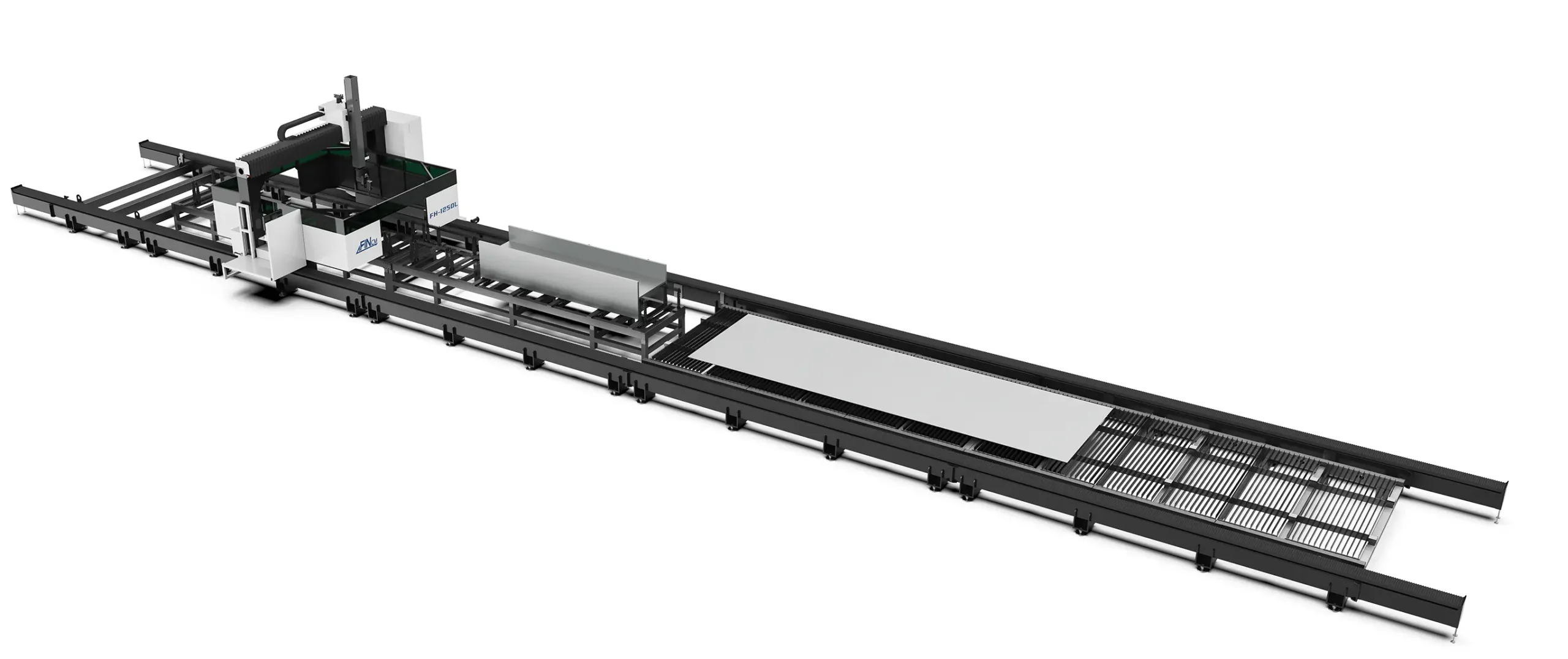

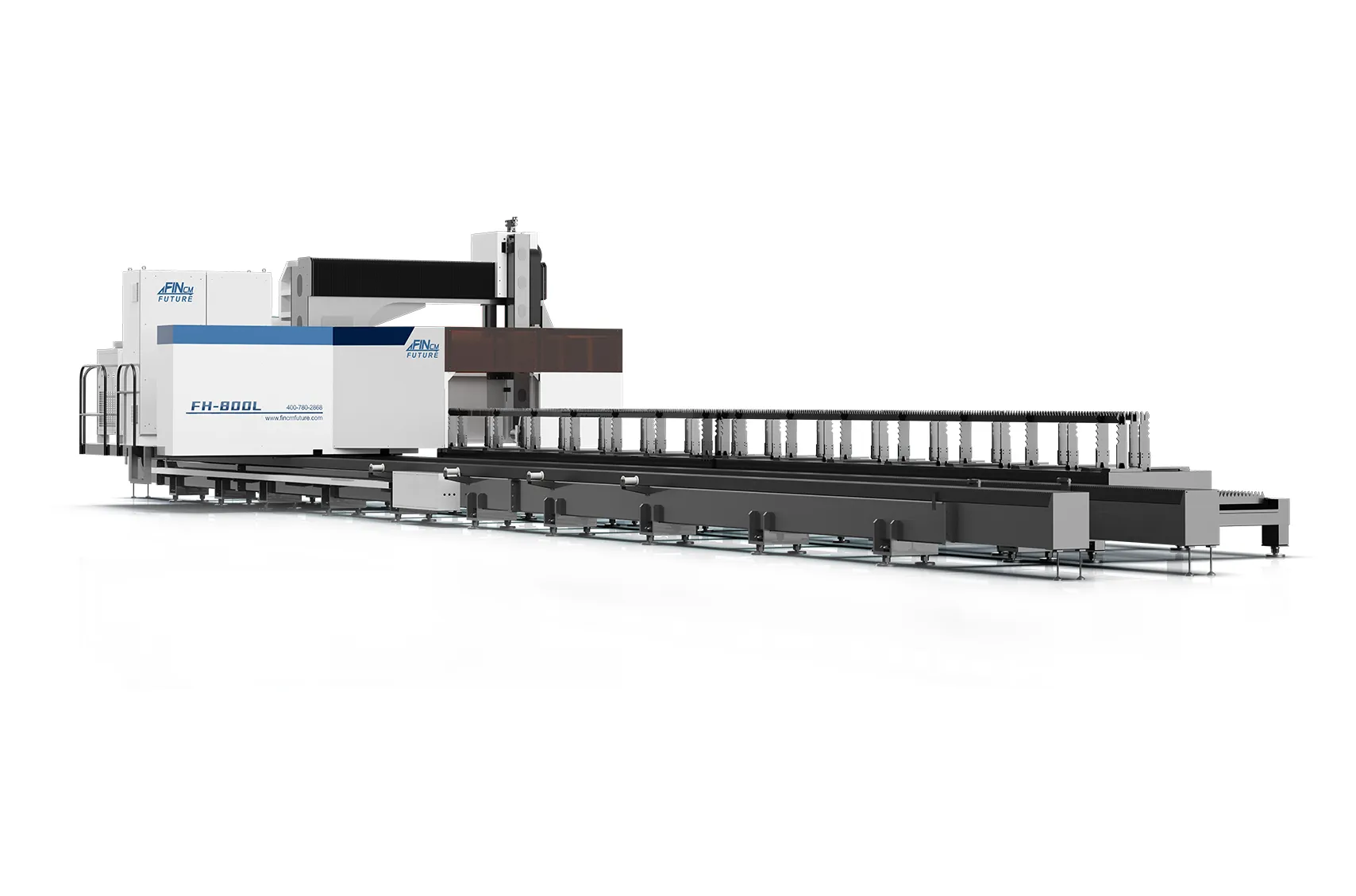

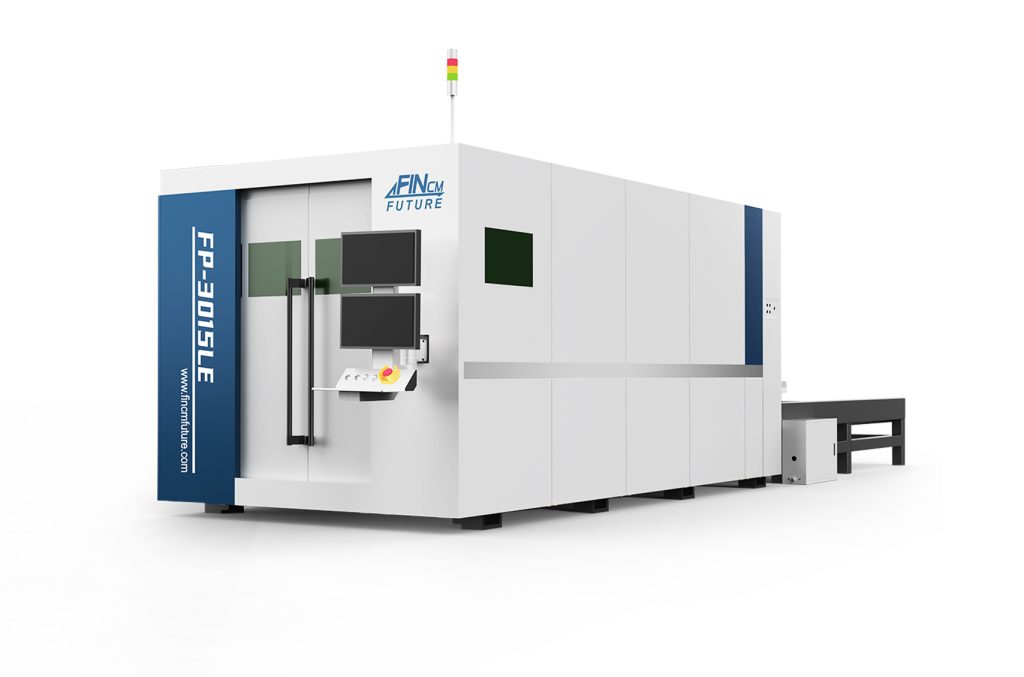


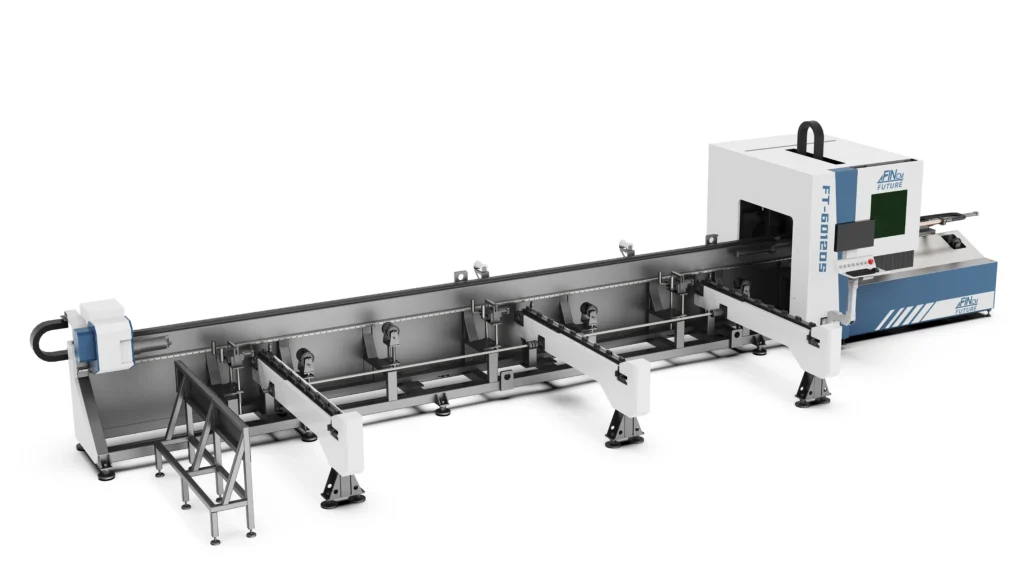




Compared to traditional CO₂ laser cutting machines and plasma cutters, fiber laser cutting machines offer higher cutting precision, lower maintenance costs, faster cutting speeds, and better compatibility with automation and intelligent control. However, if proper measures are not taken, high temperatures can cause equipment failures, reduced cutting accuracy, and even shorten the machine’s lifespan.
For first-time buyers or those considering upgrading to laser equipment, FINCM Laser , a Chinese laser equipment manufacturer, provides the following recommendations to ensure stable operation and longevity in high-temperature regions.
1. Enhanced Cooling System

A well-designed cooling system is crucial to prevent overheating of the laser source, optical components, and control system.
Choosing the Right Chiller:
- Opt for high-power, efficient chillers from reputable brands like S&A and Hanli.
- Use a dual-loop cooling system—one for the laser source and another for the cutting head—to improve heat dissipation.
- Select chillers designed for extreme temperatures, ensuring operation in environments above 50°C (122°F).
Cooling Capacity Considerations:
- Choose a low-temperature or high-temperature-resistant chiller with 20-30% higher cooling capacity than standard models.
- Ensure the refrigerant is heat-resistant, as some coolants lose efficiency in extreme temperatures.
Coolant Management:
- Use high-temperature-resistant coolant to prevent scaling and clogging in the cooling system.
- Regularly inspect the water circuit to maintain proper coolant circulation and avoid laser source overheating.
2. Temperature Control for the Laser Source and Optical System
Laser Source Heat Resistance:
- Choose a high-temperature-resistant laser source from brands like Raycus, MAX, or IPG. Chinese brands have made significant advancements in medium and high-power laser sources, offering high performance at a competitive price.
- Ensure the laser source operates within a 40-50°C (104-122°F) temperature range.
Optical Lens Protection:
- Dust and humidity fluctuations can damage optical lenses, reducing cutting efficiency.
- Opt for sealed optical paths with automatic dust protection.
- Install an air filtration system to prevent contamination and energy loss.
3. Heat-Resistant Electronic and Control System Design
Electrical Cabinet Cooling:
- Use an independent air-conditioned electrical cabinet to protect components from high temperatures.
- Avoid placing the electrical cabinet in direct sunlight; use shade covers if necessary.
Control System Temperature Management:
- Choose high-temperature-resistant industrial PCs(e.g., Beckhoff ) to ensure reliable performance.
- Install an uninterruptible power supply (UPS)to prevent voltage fluctuations from damaging the system.
4. Machine Structure and High-Temperature-Resistant Materials
Frame Material Selection:
- The machine frame should be made of high-strength steel or cast iron to prevent thermal deformation over time.
- Avoid aluminum structures, as aluminum expands at high temperatures, affecting cutting precision.
Lubrication and Sealing:
- Use high-temperature-resistant lubricants to prevent failures.
- Ensure that key moving parts (guide rails, ball screws)have high-temperature dust-proof seals to enhance durability.
5. Optimizing the Production Environment
Temperature Control in Workshops:
- Install the machine in a ventilated, temperature-stable environment, away from direct sunlight.
- Use industrial air conditioners or cooling fans to maintain optimal operating conditions.
Dust and Smoke Management:
- High-temperature regions often have dry air and high dust levels, which can contaminate optical lenses and electronics.
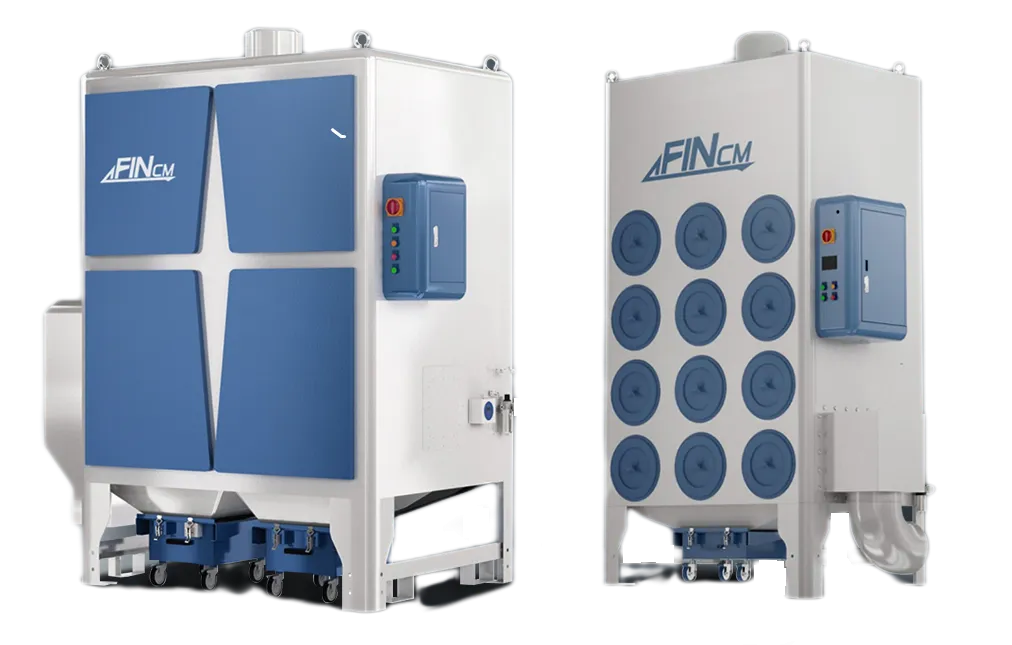
- Install high-efficiency dust removal systems and a centralized exhaust system, especially when cutting stainless steel.
6. Maintenance and After-Sales Support
Cooling System Maintenance:
- In hot seasons, check the chiller’s water temperature, flow rate, and filters weekly.
- Keep the cooling liquid clean to prevent scaling that could affect heat dissipation.
Electrical System Maintenance:
- Inspect electrical cabinet wiring regularly for heat-induced aging or loose connections.
- Enhance cooling by adding extra fans or heat sinks if necessary.
Manufacturer’s After-Sales Service:
- Choose a supplier that offers remote technical support for fast troubleshooting.
- In summary, laser equipment generates a significant amount of heat during long-term processing. If the operating environment is already high in temperature, this factor must be carefully considered when purchasing the laser machines