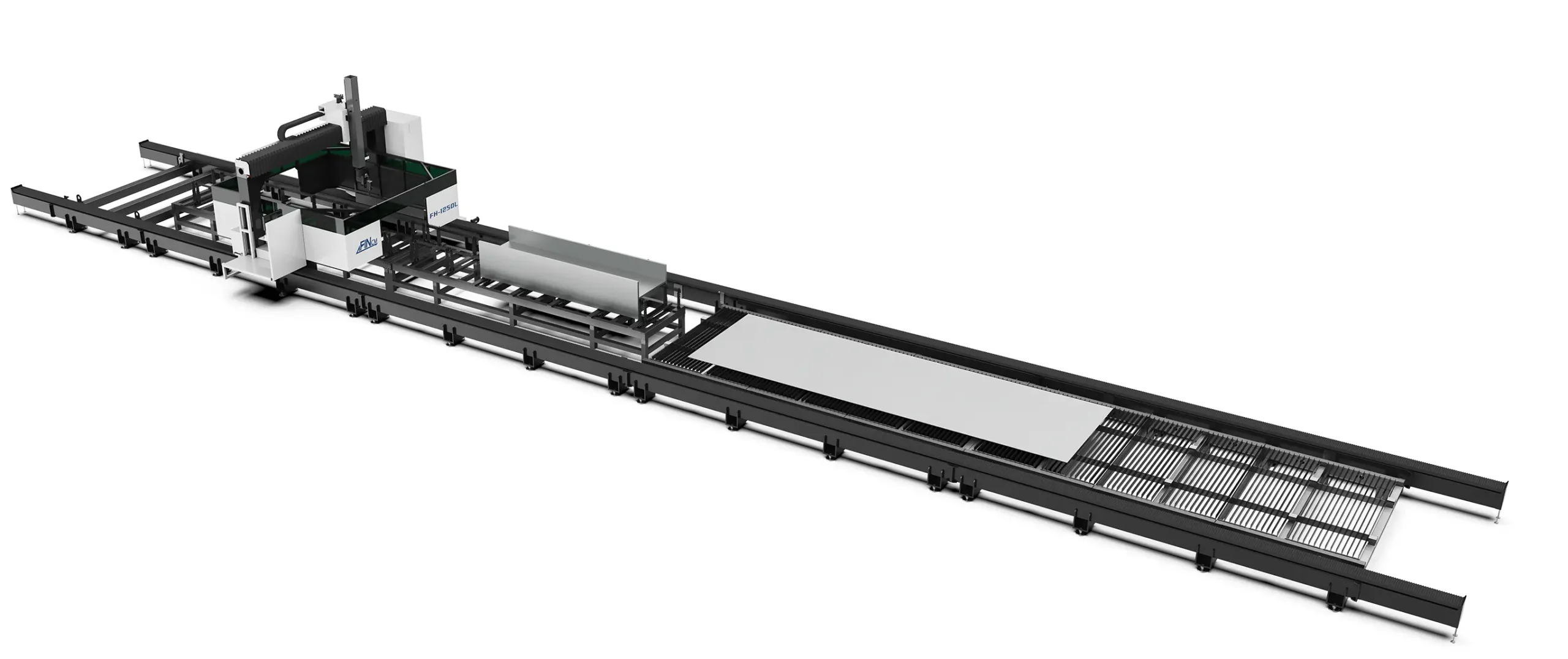

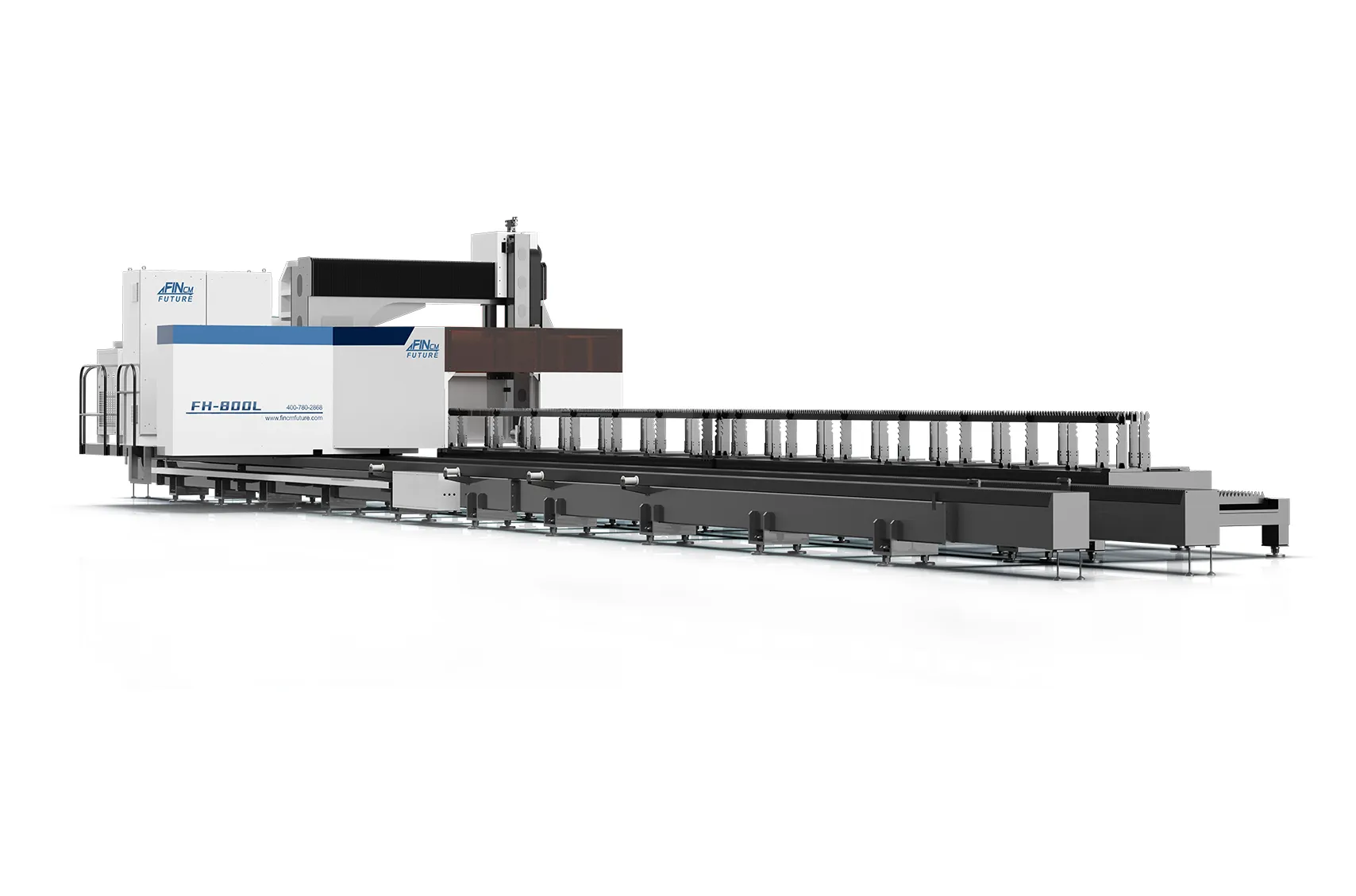

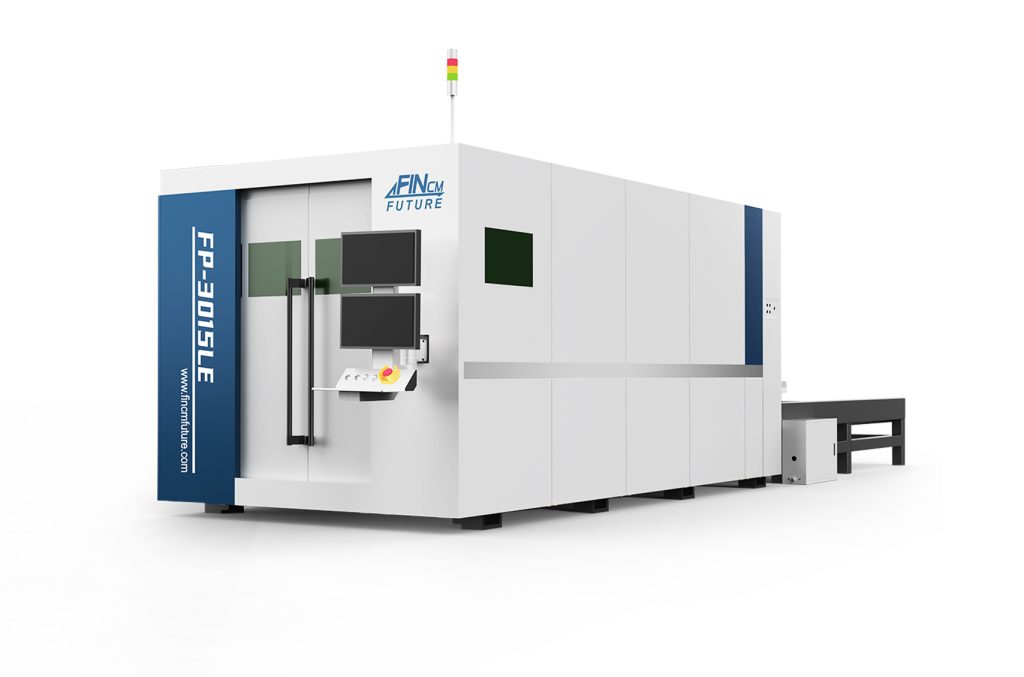


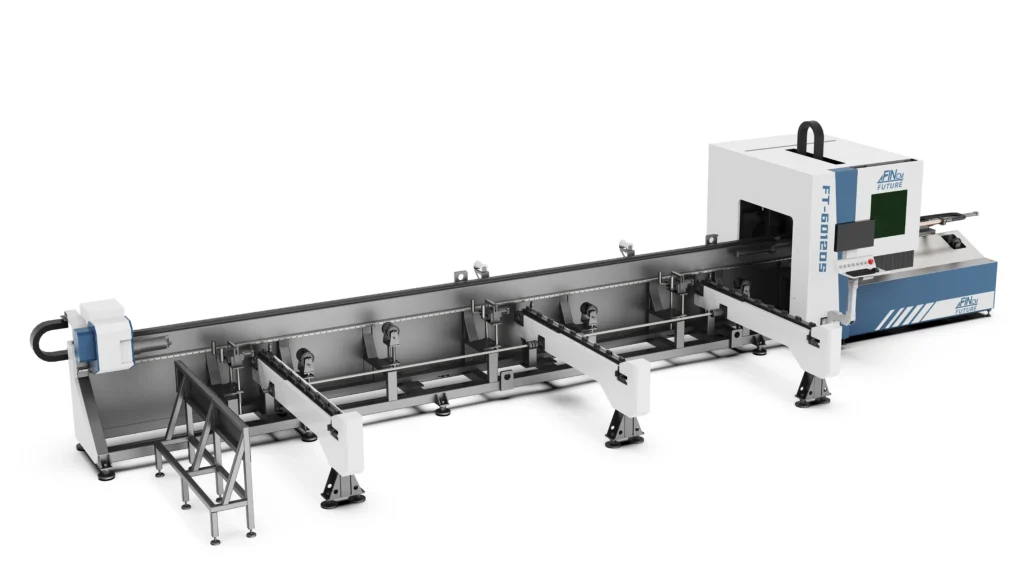




When choosing a cutting machine for industrial manufacturing, precision, efficiency, material compatibility, and long-term cost are critical decision-making factors. This guide offers a detailed, technical comparison between four major cutting technologies—fiber laser, CO₂ laser, plasma, and flame cutting—to help engineers and decision-makers select the best solution for their specific application.
1. Plasma Cutting Machine
Plasma cutting uses a high-temperature plasma arc to cut conductive metals like steel, stainless steel, and aluminum. It’s ideal for medium to thick metal plates (up to 40mm), offering good speed at a lower cost than lasers.
Pros
- Fast Cutting Speed: Especially effective on 6–40mm carbon steel.
- Material Flexibility: Handles reflective metals like aluminum and copper.
- Lower Equipment Cost: More affordable than fiber laser machines.
- No Preheating Required: Instant start-up saves time.
Cons:
- Lower Precision: Wider kerf (1–3mm) and visible bevels.
- Surface Finish: More slag, requiring secondary cleanup.
- Thin Plate Limitations: Prone to thermal deformation.
- High Energy Usage: Increased noise, smoke, and power draw.
Best For: Heavy industries like shipbuilding, construction, and steel fabrication needing speed over precision.

2. Flame Cutting Machine (Oxyfuel)
Flame cutting, using oxyacetylene or oxypropane, is a traditional method mostly used for cutting thick carbon steel (up to 300mm). It’s low-cost and suitable for rough or field work.
Pros
- Extreme Thickness: Ideal for very thick carbon steel.
- Simple Setup: No electricity needed.
- Affordable Operation: Uses only oxygen and gas.
Cons
- Slow Cutting Speed: Requires preheating and longer processing times.
- Low Precision: Rough edges and high thermal deformation.
- Material Limitations: Only suitable for carbon steel.
- Safety Risks: Involves open flame.
Best For: Budget-limited projects or ultra-thick steel applications like bridges and heavy machinery.

3. CO₂ Laser Cutting Machine
CO₂ lasers offer high cutting precision and are capable of processing both metals and non-metals (e.g., wood, plastic, acrylic). Ideal for fine-detail work on thin to medium plates.
Pros
- High Accuracy: Up to ±0.1mm, clean narrow kerf (0.1–0.3mm).
- Smooth Surface: Clean cuts with minimal post-processing.
- Non-Metal Versatility: Works with acrylic, wood, and plastic.
Cons
- Reflective Material Issues:Less efficient with aluminum or copper.
- Thinner Cutting Capacity: Typically ≤20mm for carbon steel.
- High Maintenance & Energy Use: Gas replacements, lens cleaning, and low energy efficiency (~10%).
Best For: Precision fabrication, signage, electronics, and non-metal applications.

4. Fiber Laser Cutting Machine
Fiber laser cutting is a high-tech, non-contact method known for exceptional speed, precision, and efficiency. It processes a wide range of metals, including carbon steel, stainless steel, aluminum, and copper, up to 100mm thick.
Pros
- Exceptional Precision: ±0.05mm accuracy with minimal kerf.
- High Speed: Especially fast for thin sheets.
- Energy Efficient: 30–50% photoelectric conversion.
- Low Maintenance: No consumable gases, stable fiber transmission.
- Better with Reflective Metals: Safer and more effective than CO₂ for copper or aluminum.
Cons
- Higher Initial Investment: Most expensive upfront.
- Not Ideal for Ultra-Thick Plates: Plasma or flame may be more economical.
Best For: High-precision, high-volume manufacturing in aerospace, electronics, and automated production.

| SUMMARY COMPARISON TABLE | ||||
| Item | Plasma Cutting Machine | Flame Cutting Machine | CO2 Laser Cutting Machine | Fiber Laser Cutting Machine |
| Applicable Thickness | Medium and thick plate | Extra thick plate | Thin medium plate | Thin, medium and thick plate |
| Precision | Medium | Low | High | Very high |
| Speed | Fast (medium and thick plates) | Slow | Medium fast (thin plate) | Very fast (thin sheet) |
| Material Range | Conductive metal | Carbon steel only | Metal + Non-metal | Metal-based |
| Running Cost | Medium | Lowest | High | Medium-high (long-term low) |
| Applicable Scenarios | Industrial metal processing | Rough processing /thick plate | Precision sheet metal | High-precision automation |
5. How to Choose the Right Cutting Machine?
- Choose Flame Cutting if your priority is low cost and ultra-thick carbon steel cutting without high precision.
- Choose Plasma Cutting if you want faster processing for medium-thick conductive metals at reasonable cost.
- Choose CO₂ Laser for clean, precise cutting of thin plates or non-metals like acrylic or plastic.
- Choose Fiber Laser if you need high-precision, low-maintenance, fast processing—especially in mass production lines.
Conclusion: Match Cutting Tech to Your Project Requirements
Each cutting technology serves a specific industrial niche. Whether you’re building ship hulls, fine-tuning aerospace parts, or processing high-reflective sheets, the right equipment will balance accuracy, speed, energy use, and cost-efficiency. Fiber laser cutting is increasingly the top choice for high-speed, precision manufacturing
Not Sure Which Model Is Right for You?
Let us help you select the perfect fiber laser cutting solution based on your:
- Material types (carbon steel, stainless steel, aluminum, brass…)
- Cutting thickness & volume
- Budget & future expansion goals