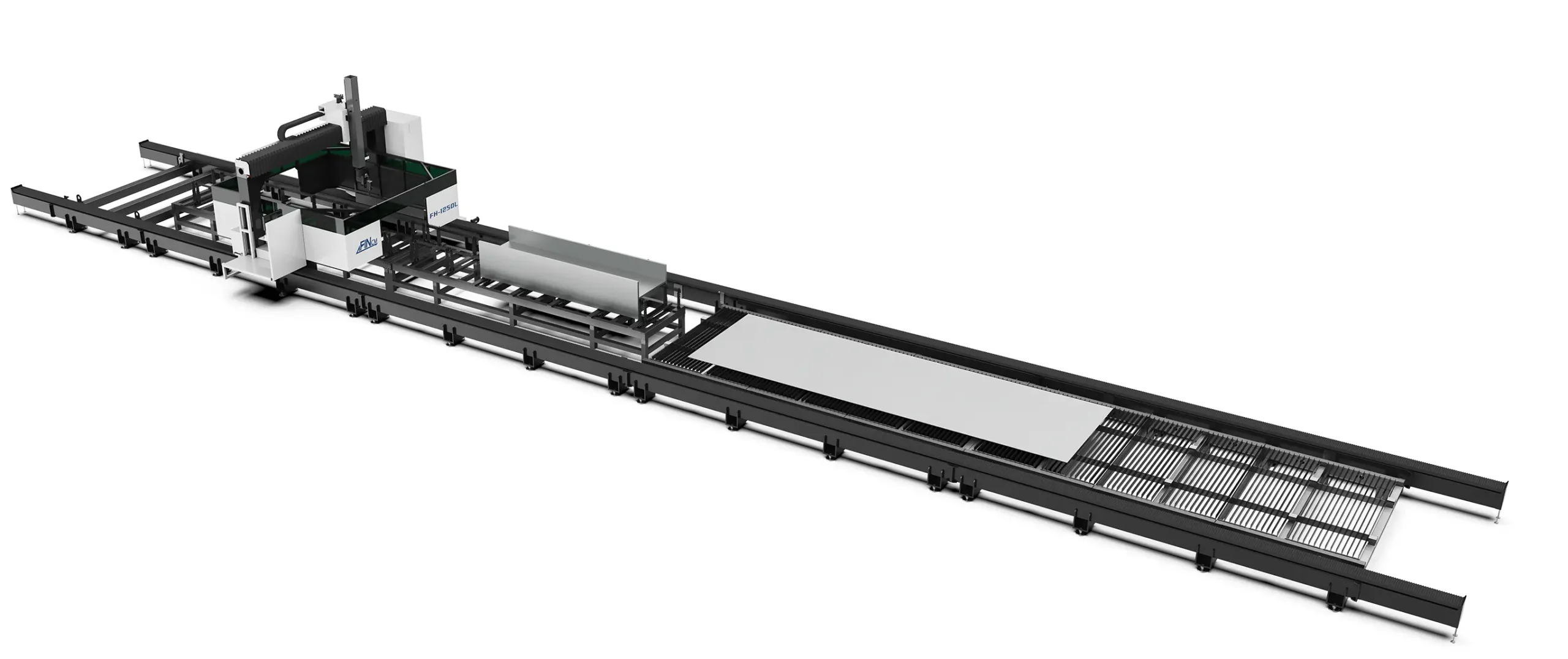

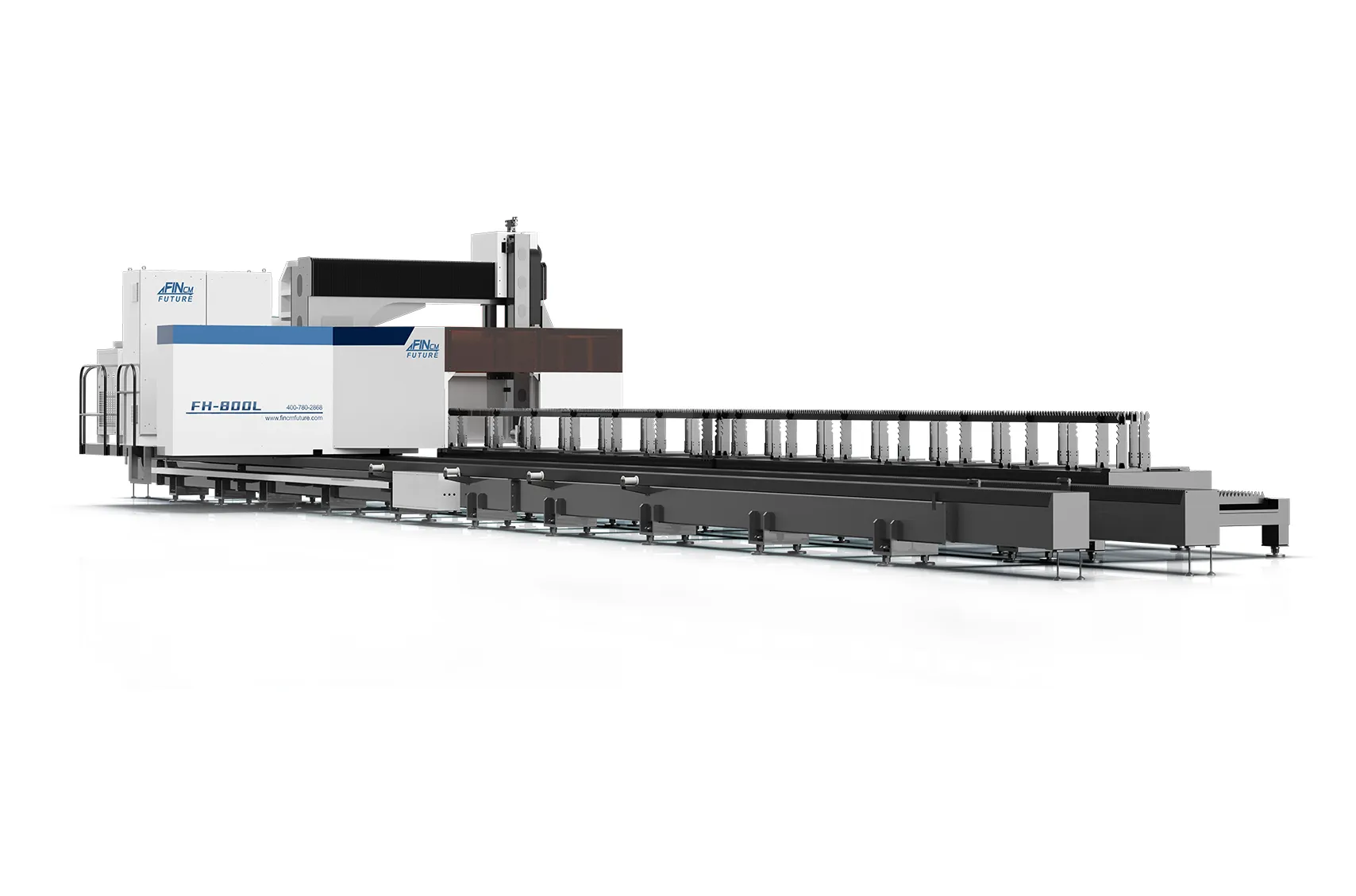

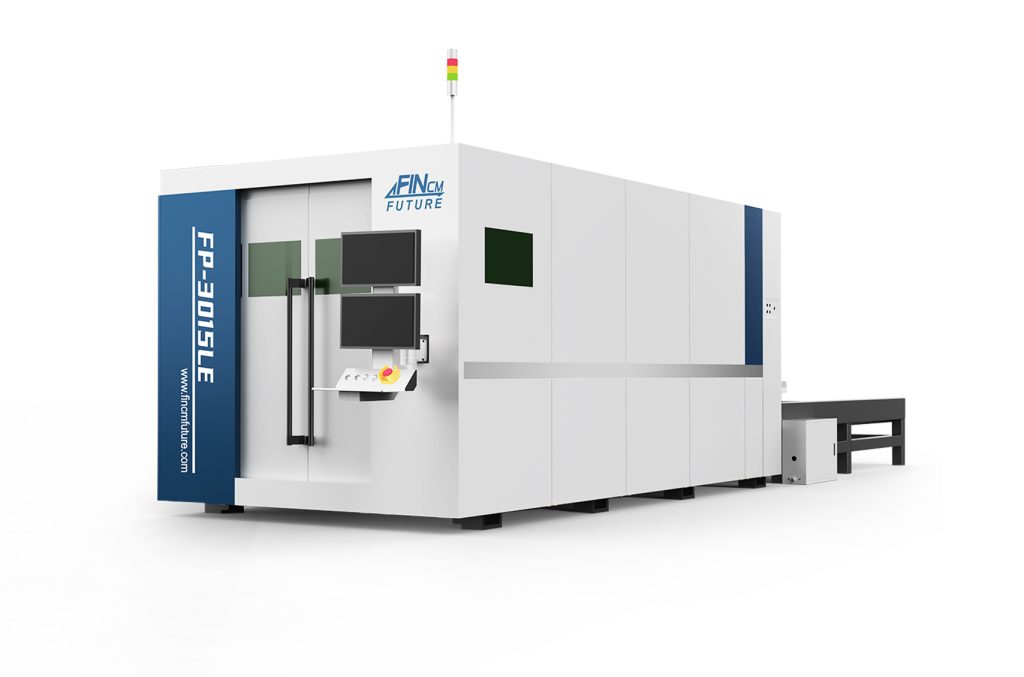


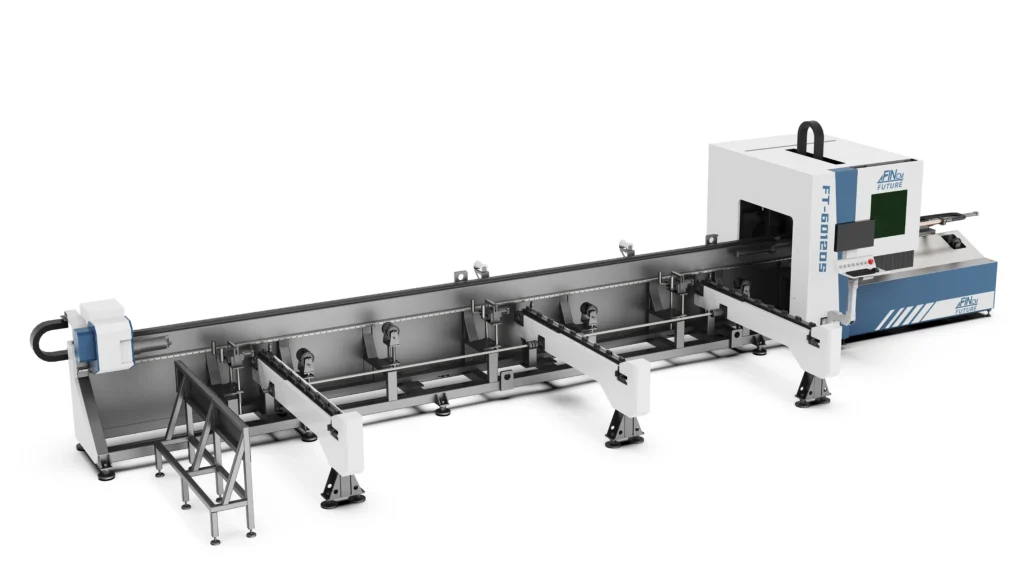




In modern metal fabrication, choosing the right cutting technology is essential for achieving high precision, production efficiency, and welding quality. Two of the most widely used technologies in pipe processing are laser pipe cutting and plasma pipe cutting.
Both technologies are capable of cutting steel pipes and structural tubes, but they differ significantly in cutting accuracy, edge quality, operating cost, and application range. Understanding the differences between these two methods can help manufacturers select the most suitable solution for their production needs.
What Is Laser Pipe Cutting?

Laser pipe cutting uses a high-energy fiber laser beam to melt and vaporize metal material. A CNC-controlled system guides the laser beam along a programmed path, allowing precise cutting of pipes, tubes, and structural profiles.
Modern laser pipe cutting machines can process a wide range of materials, including:
-
Carbon steel
-
Stainless steel
-
Alloy steel
-
Aluminum
One of the biggest advantages of laser cutting is its extremely high precision and clean cutting edges, which often require little or no secondary processing.
In addition, many advanced laser pipe cutting machines support bevel cutting, allowing manufacturers to prepare pipes directly for welding.

What Is Plasma Pipe Cutting?
Plasma cutting uses ionized gas (plasma) to generate a high-temperature jet that melts and removes metal from the workpiece.
This technology is widely used for cutting thick metal plates and pipes because it can handle materials with relatively high thickness while maintaining reasonable cutting speed.
Plasma cutting systems are commonly used in industries such as:
-
steel fabrication
-
heavy machinery manufacturing
-
shipbuilding
-
construction equipment production
Although plasma cutting is faster for very thick materials, it usually produces rougher edges and larger heat-affected zones compared to laser cutting.
Laser Pipe Cutting vs Plasma Pipe Cutting
When comparing laser and plasma pipe cutting technologies, several key factors should be considered.
1. Cutting Precision
Laser cutting offers significantly higher precision than plasma cutting.
Fiber laser systems can achieve very small cutting tolerances, producing smooth and accurate edges. This level of precision is especially important in industries where tight dimensional control is required.
Plasma cutting, on the other hand, generally produces wider kerf widths and less precise edges, which may require additional finishing operations.
2. Edge Quality
One of the major advantages of laser pipe cutting is the superior edge quality.
Laser cutting produces:
-
smooth surfaces
-
minimal burrs
-
small heat-affected zones
Plasma cutting typically leaves slag and rough edges, which often require grinding or additional machining.
3. Welding Preparation
For applications that require welding, edge quality plays a critical role.
Laser pipe cutting machines can produce clean edges and precise bevel angles, making them highly suitable for welding preparation.
Plasma cutting may require additional beveling or grinding processes before welding can begin.
4. Cutting Speed
Plasma cutting is generally faster when cutting very thick materials.
However, for thin and medium-thickness pipes, laser cutting often provides faster overall production because it reduces secondary processing and finishing time.
5. Automation and Flexibility
Modern laser pipe cutting machines are typically equipped with advanced CNC systems and automation features, including:
-
automatic loading and unloading
-
intelligent nesting
-
multi-axis cutting capabilities
These features make laser cutting highly suitable for high-volume industrial production.
Plasma cutting systems can also be automated, but they generally offer less flexibility and precision compared to laser systems.
Which Technology Is Better?
The choice between laser pipe cutting and plasma pipe cutting depends on the specific production requirements.
Laser pipe cutting is generally the better choice when manufacturers need:
-
high cutting precision
-
excellent edge quality
-
bevel cutting for welding preparation
-
automated production
Plasma cutting may still be suitable for applications involving very thick materials and lower precision requirements.
For modern pipe fabrication industries, fiber laser pipe cutting machines are increasingly becoming the preferred solution due to their efficiency, flexibility, and superior cutting quality.
Both laser and plasma cutting technologies play important roles in metal fabrication. However, with the increasing demand for higher precision, improved welding quality, and automated production, laser pipe cutting machines offer significant advantages for modern manufacturing.
By combining high accuracy, clean cutting edges, and advanced automation, laser pipe cutting systems provide manufacturers with a powerful solution for efficient and high-quality pipe processing.