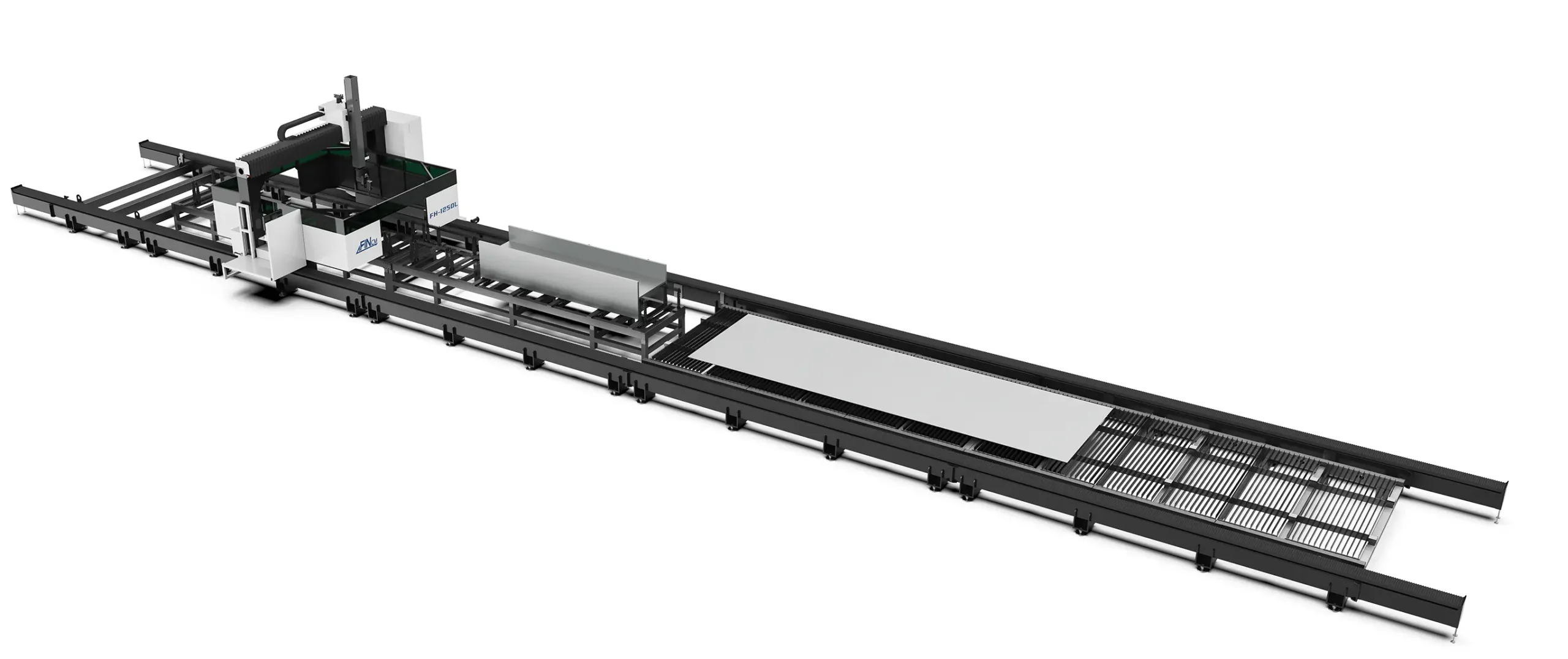

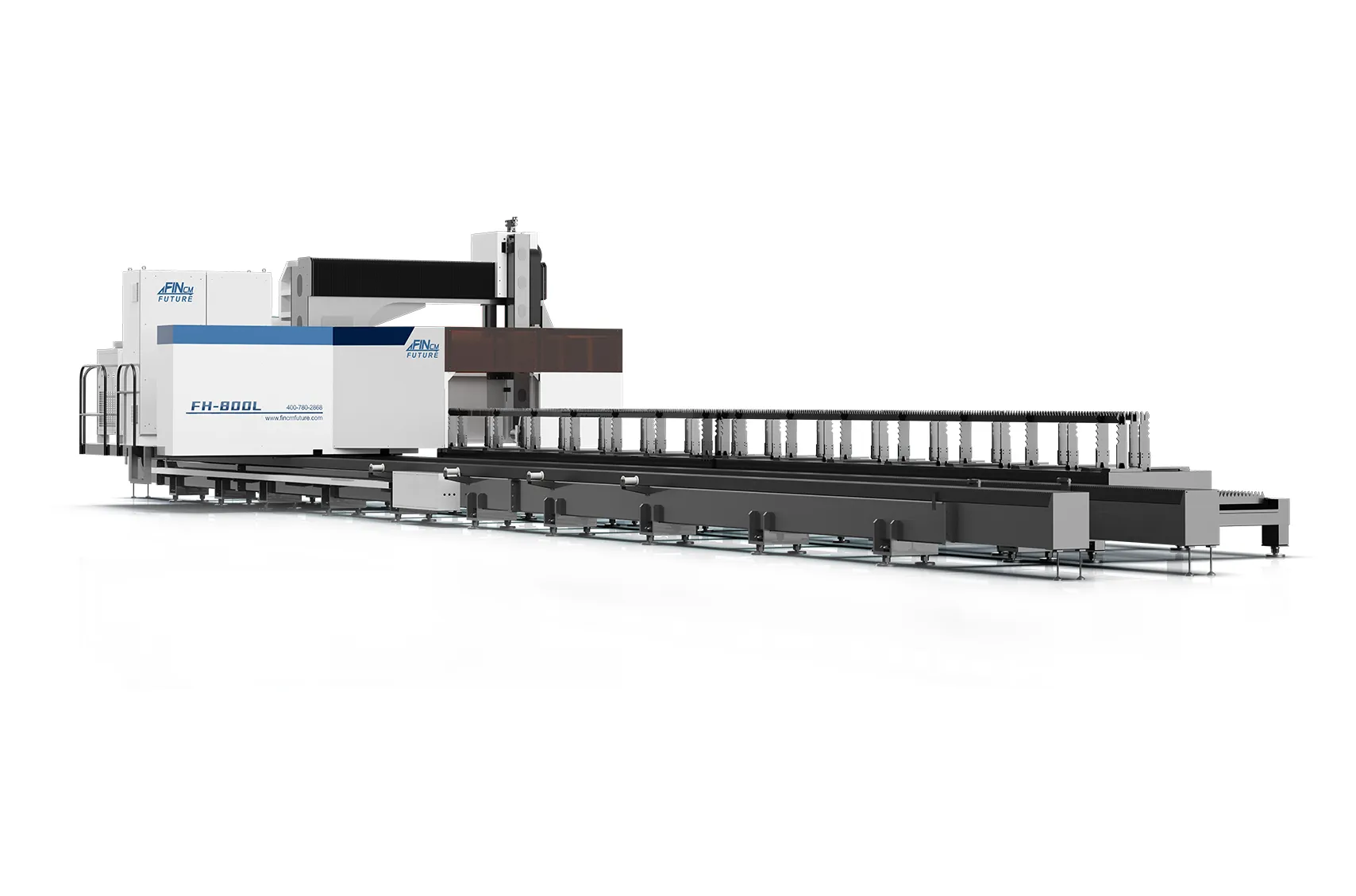

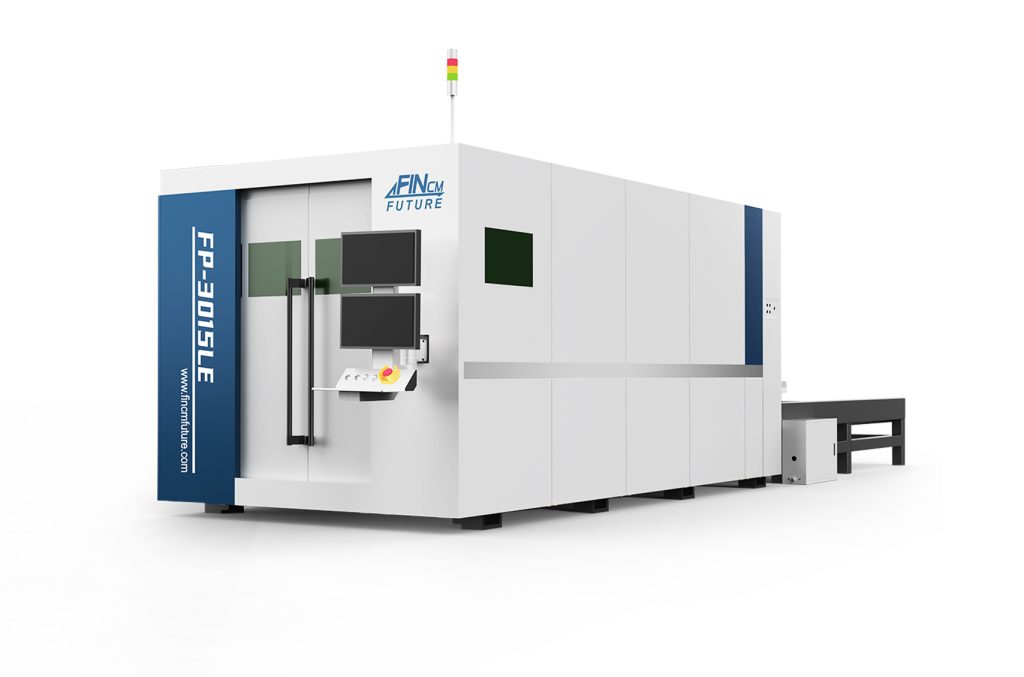


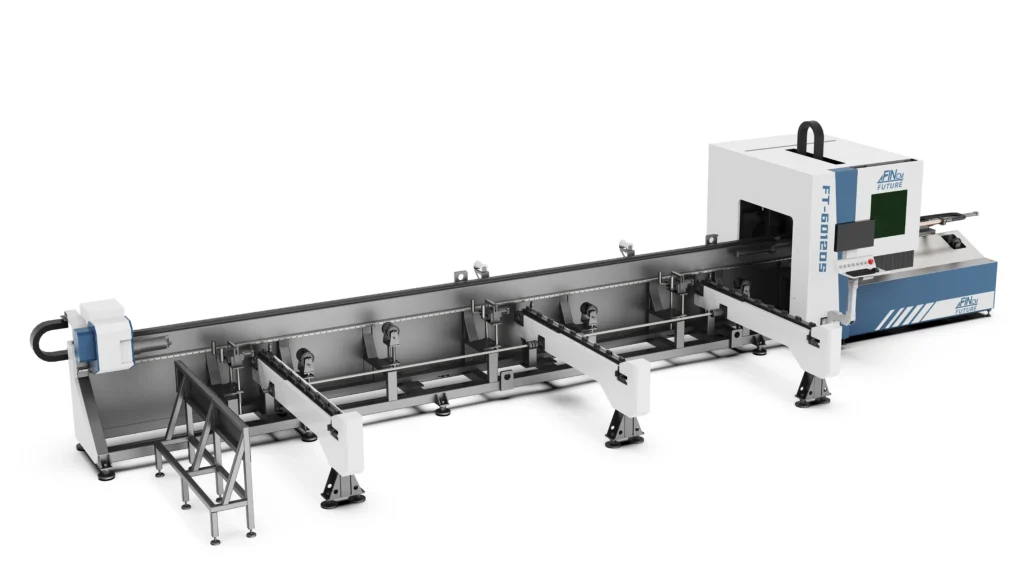




With the rapid development of modern manufacturing, fiber laser tube cutting machines have become an essential tool for efficient and precise metal processing. Known for their high cutting accuracy, fast speed, and advanced automation, they are widely used in industries such as metal fabrication, automotive manufacturing, fitness equipment, and kitchenware production. However, with so many models and brands on the market, choosing the right laser cutting machine can be challenging. To help you make a smarter investment, here are 10 key factors you should carefully consider before buying a laser tube cutting machine.

1. Material Type and Tube Dimensions
The type and size of the material you plan to cut directly determine the machine’s required power and configuration. Are you cutting carbon steel, stainless steel, or aluminum alloy? What are the maximum diameter, wall thickness, and length of your tubes? Generally, higher laser power (6kW, 12kW, or even 20kW) supports thicker and larger tubes, while lower power is more suitable for thin-walled materials. Defining these needs in advance helps ensure you select the right cutting capacity.
2. Cutting Accuracy and Speed
Precision and speed are the two core performance indicators of any laser cutting system. A machine with high positioning accuracy, fast acceleration, and stable performance will not only improve cutting quality but also reduce production time and costs. Key specifications to check include positioning accuracy, repeatability, maximum rapid speed, and chuck rotation speed. These parameters directly affect efficiency and cutting results.
3. Tube Cutting Capabilities
Beyond basic cutting, you should consider the machine’s bevel cutting and residual length (tailing) capabilities. Shorter tailings mean higher material utilization and lower raw material costs. Bevel cutting allows precise weld preparation for structural components, significantly improving assembly efficiency. If your production involves welding or pipe fitting, a bevel-cutting function is a must-have.

4. Laser Source Brand and Power
The laser source is the heart of a laser cutting machine. Its stability and performance determine cutting quality and machine longevity. Leading brands such as IPG, Raycus, TRUMPF, and MAX Photonics are known for reliable performance and longer service life. Always match laser power with your material type and thickness—using an oversized laser for thin tubes wastes energy and increases costs.
5. Level of Automation
In modern factories, automation plays a key role in reducing labor costs and boosting production efficiency. Look for machines with automatic loading and unloading, auto-focus, and automatic height-following features. These not only reduce manual intervention but also ensure consistent cutting quality, even in large-batch production.
6. Control System and Software
A user-friendly control system and smart software can greatly improve efficiency. Advanced laser cutting software offers automatic nesting, cutting path optimization, and fault diagnosis features. Ensure that the machine’s software supports your operating habits and provides smooth data transfer between CAD/CAM systems.
7. Core Components
Reliable performance comes from quality components. Check the brands and specifications of the cutting head, servo motors, control systems, bed frame, cooling units, and transmission systems. Machines built with internationally recognized brands are generally more durable, stable, and precise—offering better long-term value.
8. Space and Factory Layout
The installation space and material flow within your factory are also important. Large-diameter and long-tube laser cutters require adequate layout space for safe loading and unloading. Ensure your production line design allows efficient movement of materials and smooth operation.
9. Power Supply and Voltage
Industrial voltage varies across countries (commonly 110V–380V, single-phase or three-phase). Before installation, confirm that the machine’s power specifications match your local voltage. Incorrect wiring can damage components or cause safety issues, so always use a qualified electrician for setup.
10. Energy Consumption and Maintenance Costs
Operating costs go beyond the purchase price. A high-efficiency laser source can reduce energy consumption, while an optimized mechanical design minimizes gas and power waste. Regular maintenance, such as cleaning optics and checking alignment, keeps your system stable and extends service life. Choose a machine with easy maintenance access and readily available spare parts.
Choosing the right fiber laser tube cutting machine is a complex but crucial decision. From tube dimensions and cutting precision to automation, software, and energy efficiency, every factor affects your production quality and overall profitability. Take time to evaluate your processing needs, compare equipment specifications, and select a manufacturer with proven experience and service capability.
If you still have questions about selecting the ideal machine for your project, contact FINCM—our experts will provide professional advice and customized laser cutting solutions for your production line.