







Laser cut holes are widely used in modern sheet metal processing for their high precision and flexibility. Unlike traditional punching methods that rely on external mechanical force — often resulting in rough edges and low accuracy — laser cutting provides smooth edges and adjustable diameters. This advanced technology has transformed metal fabrication, allowing manufacturers to achieve cleaner, more consistent results. However, even with state-of-the-art equipment, improper process settings or machine calibration can still cause holes to appear not perfectly round.
One common cause is improper laser power adjustment, which can lead to unaligned start and end points of the cut. Generally, the difference between maximum and minimum laser power should not exceed 5%, and the cutting speed should not be too fast to prevent frame skipping, which may cause incomplete overlap. Next, check the optical path, lenses, and nozzle for contamination or damage, as these directly affect cutting precision. It’s also important to ensure that the servo motor and cutting head are properly fixed, as looseness can cause deviation during motion.
Another key factor is gas pressure. If the assist gas pressure is too low, it can cause edge burrs and carbonization; if it’s too high, the hole may burst or distort. Therefore, skilled technicians must select the appropriate gas pressure based on the material thickness and hole diameter to ensure smooth and accurate results. When it comes to hole size, the optimal ratio between hole diameter and plate thickness is 1:1. Larger holes are easier to cut cleanly, while smaller ones may produce residual slag or irregular shapes if the laser power is insufficient.
In some cases, servo parameter mismatches can cause elliptical or irregular holes due to unbalanced X and Y axis motion. Thus, fine-tuning servo parameters is essential for precise circular motion. Additionally, guide rails and screw accuracy play a major role — precision errors in these components can reduce overall cutting accuracy. This highlights the importance of selecting a laser cutting machine from a reliable and technically strong manufacturer.

The cutting precision of a fiber laser cutting machine depends mainly on four aspects: the focus diameter of the laser beam, the precision of the working table, the conical nature of the laser beam, and the type of material being processed. A smaller focused spot and a higher-precision table yield better cutting accuracy. Material properties also affect the result — for instance, stainless steel generally cuts more cleanly and accurately than aluminum under the same conditions. Therefore, achieving a perfectly round hole requires not only optimized process parameters but also high-performance equipment support.

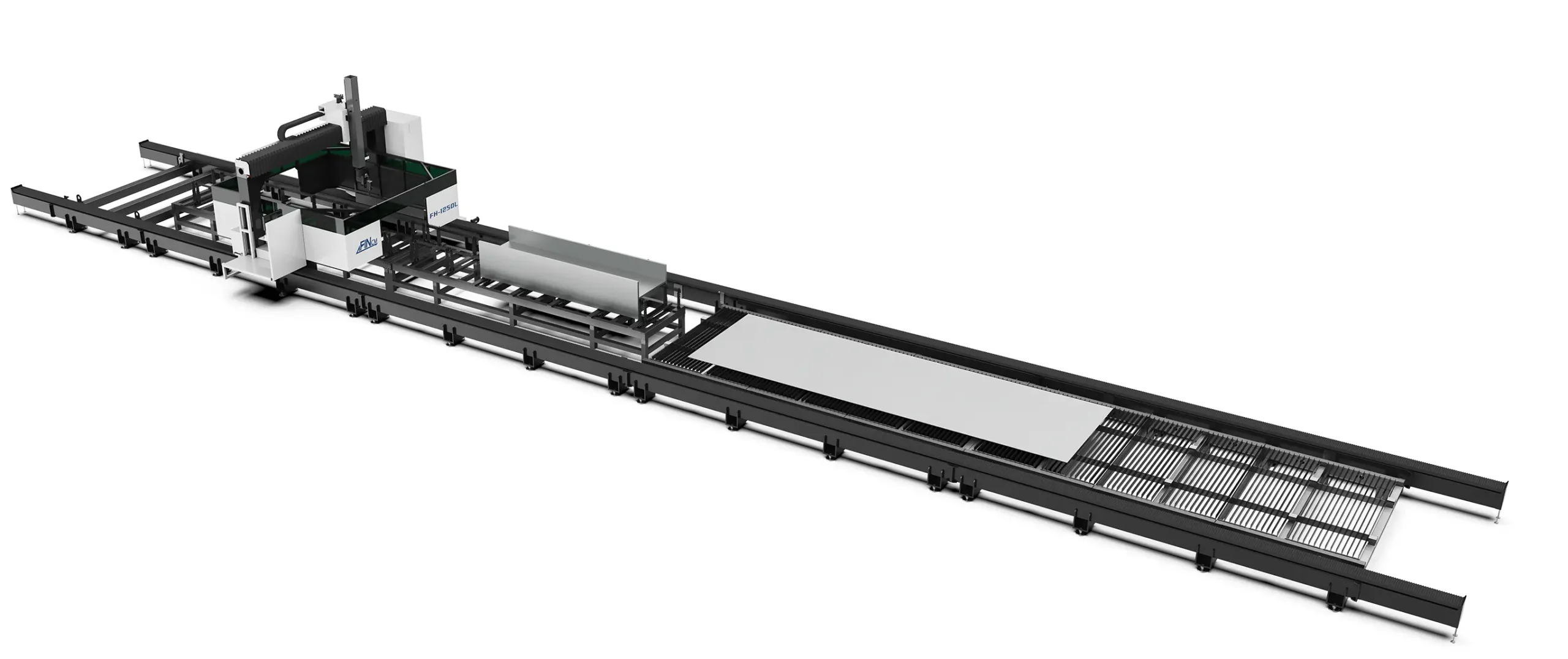
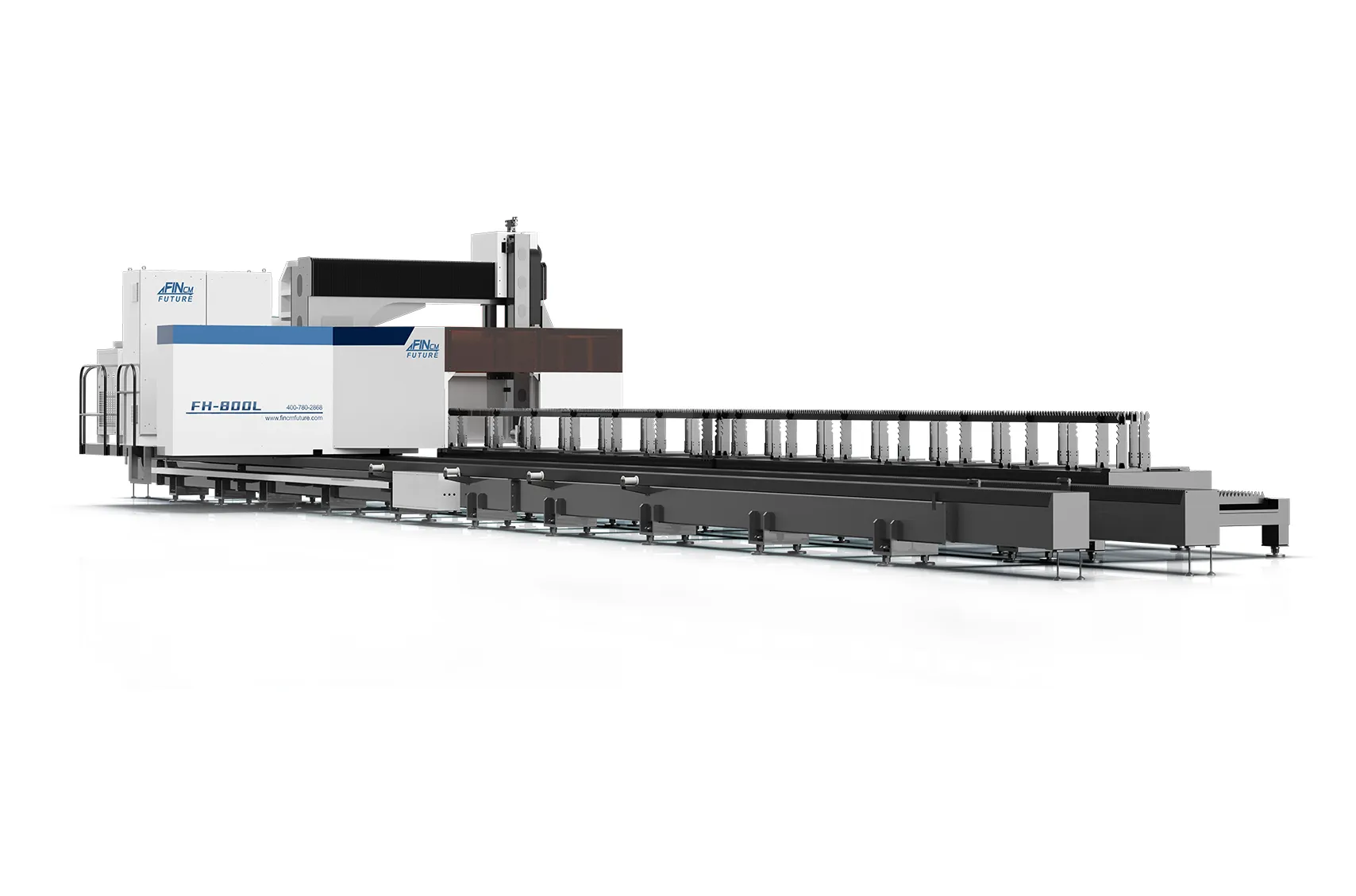
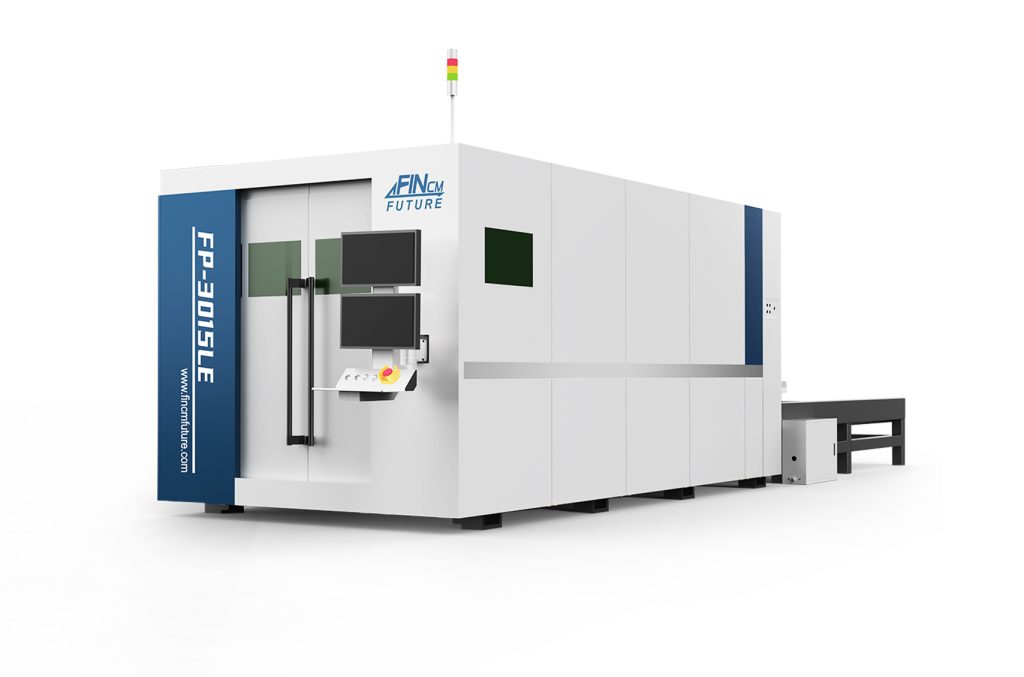
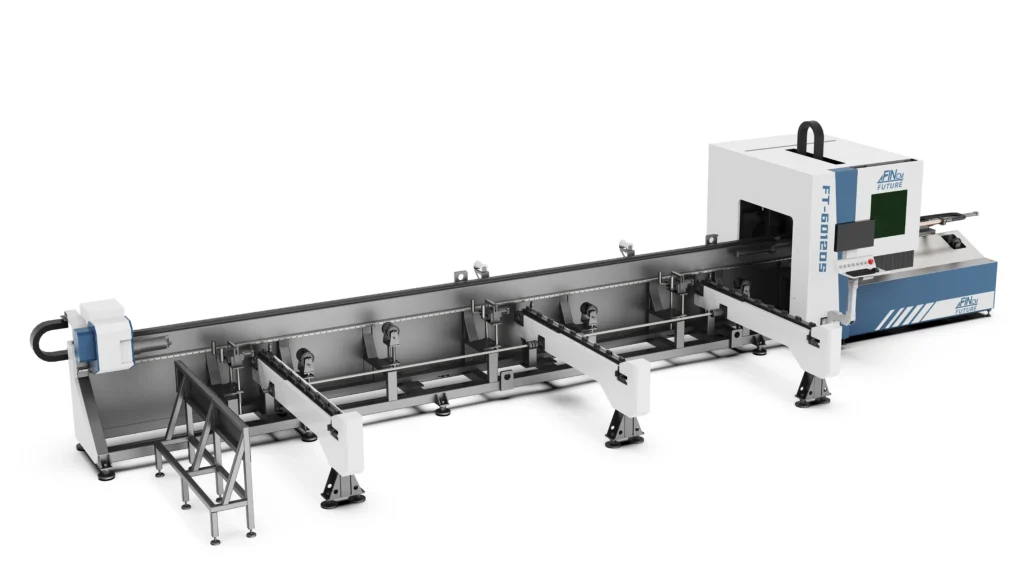
This is where FINCM stands out. With strong technical expertise and years of manufacturing experience, FINCM provides customers with reliable, high-precision laser cutting solutions. The company focuses on the research and production of high-power fiber laser cutting machines, using internationally recognized components and advanced optical, servo, and control systems. Every FINCM machine undergoes rigorous testing and calibration to ensure consistent accuracy and cutting stability, whether for small round holes or complex shapes.
In addition, FINCM offers comprehensive pre-sale sample testing and after-sales technical support, providing tailored process optimization and parameter guidance to help customers overcome challenges such as hole distortion or uneven cutting. From R&D to customer service, FINCM upholds the principle of “Winning trust with quality and leading the future with technology,” delivering safe, efficient, and reliable laser cutting solutions to clients around the world.