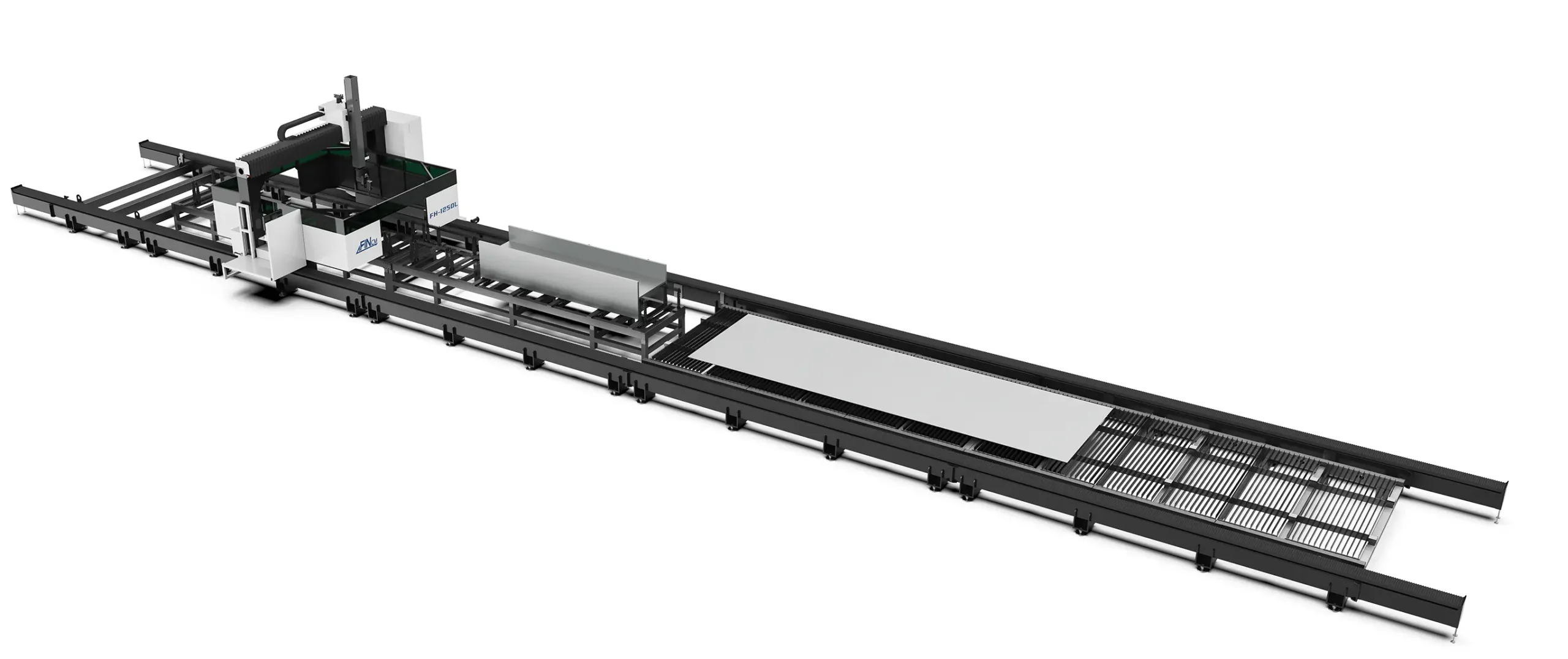

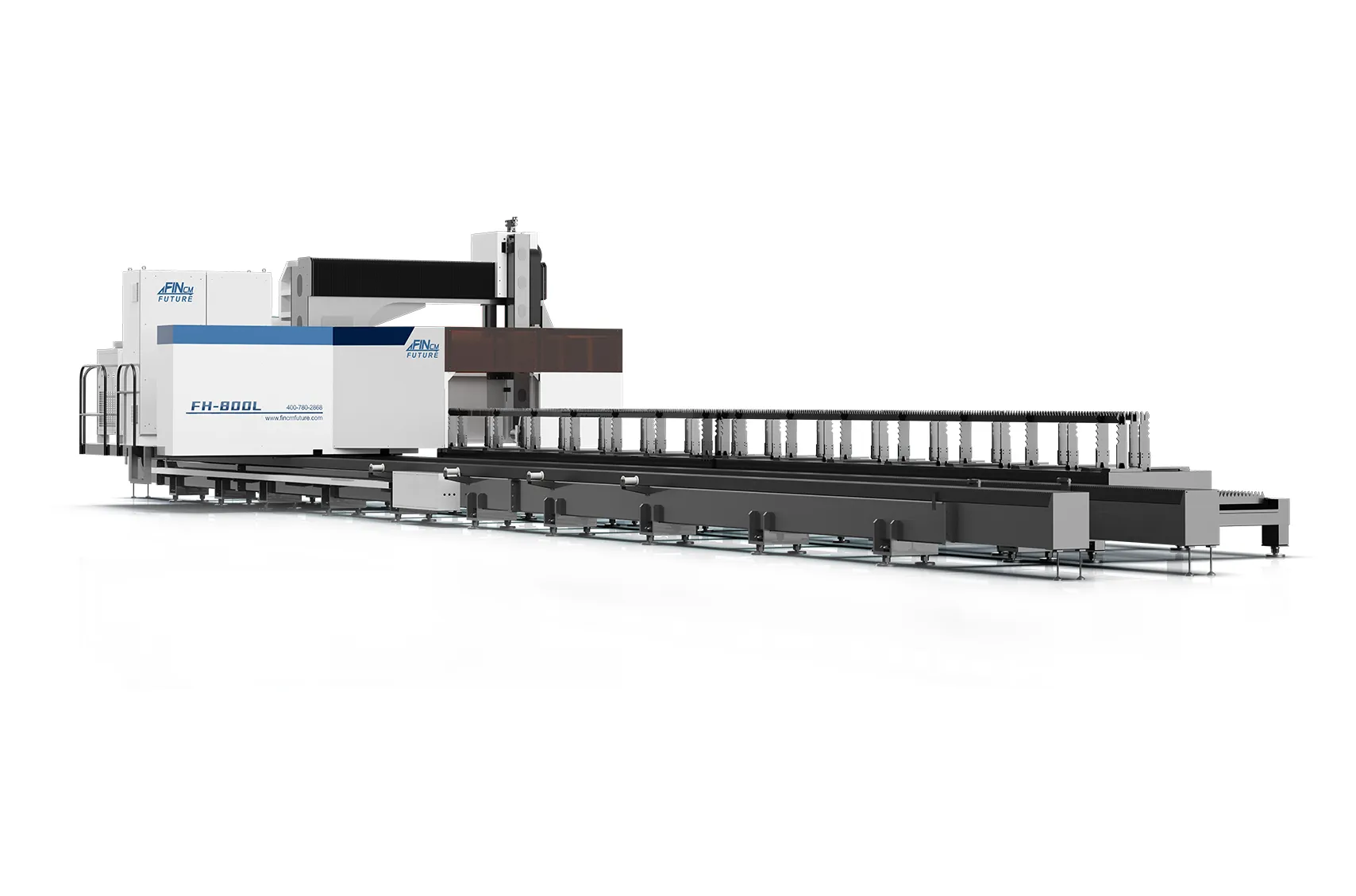

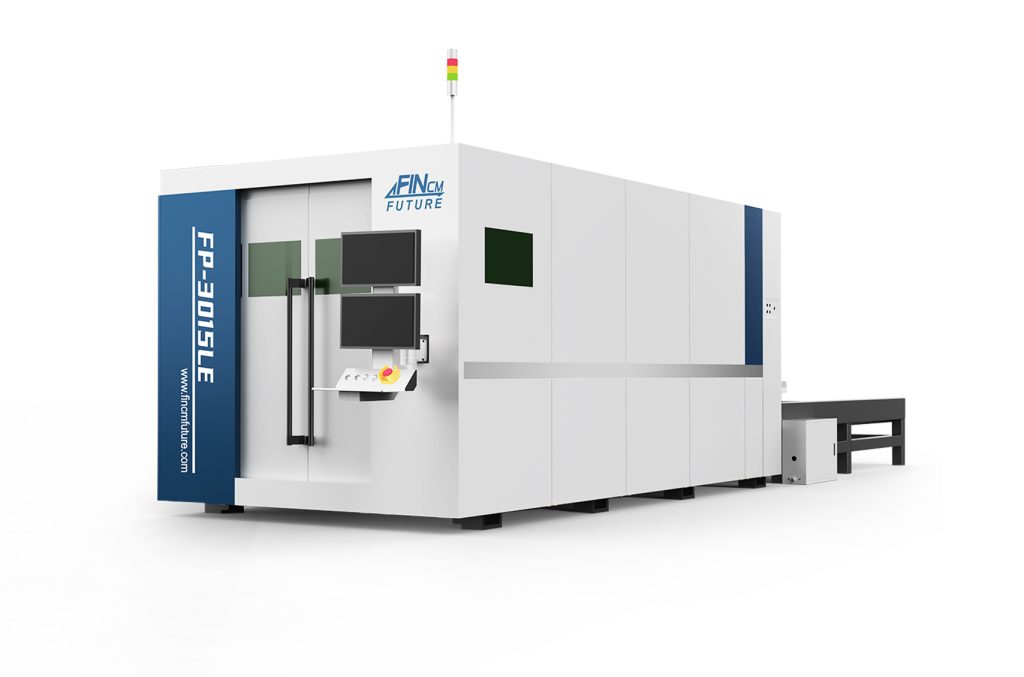


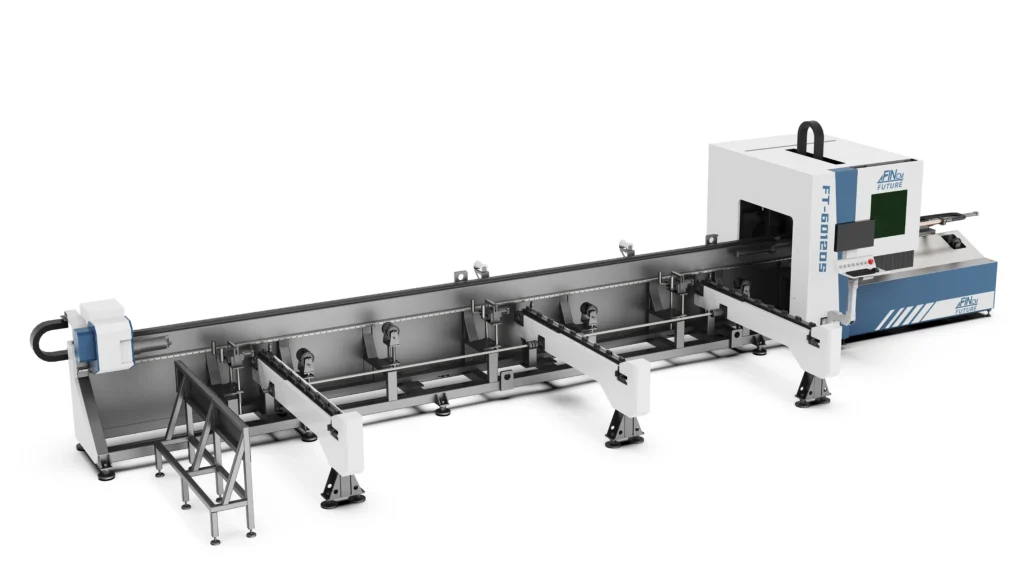




Fiber Laser Cutting in the Tower Industry
The tower industry—including power transmission towers, communication towers, and wind power towers—requires large-scale steel processing with strict accuracy and efficiency demands. Traditionally, plasma cutting and flame cutting were widely used. However, these methods often bring challenges such as low precision, multiple processes, high labor cost, and slow delivery.
Today, fiber laser cutting machines are replacing traditional methods by solving these pain points and offering a more advanced solution for tower manufacturing.
1. Fiber Laser Cutting vs Plasma & Flame: Accuracy in Tower Manufacturing
-
Pain Point: Plasma and flame cutting often require secondary drilling, leading to misaligned holes and assembly problems in steel towers.
-
Laser Solution: Fiber laser cutting achieves ±0.1mm precision, completing cutting and drilling in one process, ensuring perfect assembly for power and telecom towers.
2. Fiber Laser Cutting for Efficiency in Tower Production
-
Pain Point: Traditional methods need separate machines for cutting, drilling, beveling, and marking, slowing down production.
-
Laser Solution: Fiber laser cutting machines offer all-in-one processing—cutting, hole making, beveling, and marking in a single setup, saving time and labor in tower fabrication.

3. Fiber Laser Cutting Quality vs Plasma & Flame
-
Pain Point: Plasma and flame cutting leave rough edges, burrs, and a large heat-affected zone, requiring grinding and rework.
-
Laser Solution: Fiber laser cutting produces smooth, burr-free edges with minimal deformation, ready for direct welding and tower assembly.
4. Reducing Material Waste in Tower Manufacturing with Fiber Laser Cutting
-
Pain Point: Wide kerf and poor nesting in plasma/flame cutting cause high material waste.
-
Laser Solution: Fiber laser cutting offers narrow kerf (<0.5mm) and intelligent nesting software, improving material utilization and reducing cost in steel tower production.
5. Meeting Delivery Demands in Tower Projects
-
Pain Point: Power grid expansion, 5G communication tower construction, and wind farm projects require large-scale, fast delivery—traditional methods cannot keep up.
-
Laser Solution: Fiber laser cutting provides fast speed, automation, and continuous production, making it ideal for mass tower manufacturing.
Comparison: Fiber Laser Cutting vs Plasma & Flame in Tower Industry
| Feature / Method | Flame Cutting ? | Plasma Cutting ⚡ | Fiber Laser Cutting ✨ |
|---|---|---|---|
| Cutting Precision | Low (±2–3mm) | Medium (±1mm) | High (±0.1mm) |
| Processes Needed | Cutting + Drilling + Grinding | Cutting + Drilling | All-in-one: Cutting + Drilling + Beveling + Marking |
| Edge Quality | Rough, needs rework | Burrs, some rework | Smooth, weld-ready |
| Heat-Affected Zone | Large | Medium | Minimal |
| Material Utilization | Low | Medium | High (narrow kerf + nesting) |
| Efficiency | Slow | Medium | Fast, automated |
| Cost Saving | Low | Medium | High |

For manufacturers of power transmission towers, communication towers, and wind turbine towers, traditional plasma and flame cutting methods can no longer meet modern demands.
By adopting fiber laser cutting machines, tower manufacturers can achieve:
✅ High precision with fewer assembly errors
✅ Faster production through all-in-one processing
✅ Smooth, weld-ready edges without rework
✅ Reduced material waste and cost savings
✅ Reliable delivery for large-scale projects
In today’s competitive tower industry, fiber laser cutting technology is not just an upgrade—it’s the future of steel tower manufacturing.